

Classic Kitchen Design: Timeless Ideas That Will Never Date
Explore the principles of classic kitchen design — from proportion and restraint to enduring cabinetry styles, colour palettes, and materials. Discover why investing in timelessness always outperforms chasing trends.
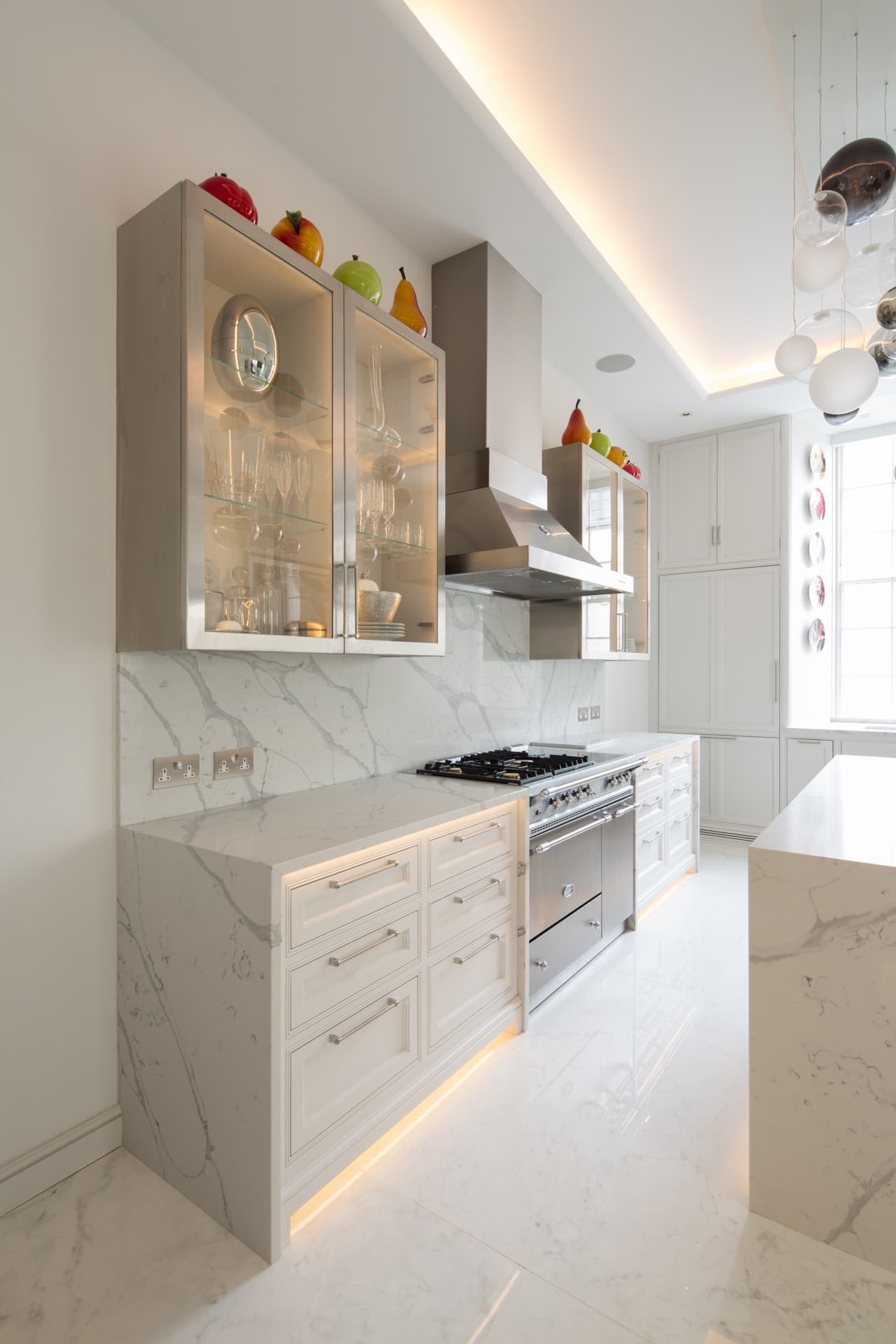
There is a word in design that gets borrowed so often it has almost lost its meaning: classic. Estate agents use it to describe anything with a panel door and a butler sink. Kitchen showrooms apply it to any cabinet that isn't handleless. Instagram interiors accounts deploy it whenever they run out of adjectives.
But a genuinely classic kitchen is something rather more specific — and rather more valuable — than a kitchen that simply looks a bit old-fashioned. It is a kitchen built on principles that have held true for centuries. Proportion. Quality of material. Restraint. An understanding that what you leave out matters every bit as much as what you put in.
At Albury House Kitchens, we have been designing and building kitchens for families across the M11 corridor and beyond for long enough to have watched entire trends bloom and wilt. What we have learned is that the kitchens our clients love most fiercely — the ones they never tire of, never apologise for, never itch to replace — are almost always the ones designed on classic principles.
This is a guide to those principles, and to the choices that make a kitchen not merely attractive today but genuinely timeless.
What Makes a Kitchen Design "Classic"
Let us clear something up at the outset: classic and traditional are not the same thing. A traditional kitchen is one that references a particular period or decorative vocabulary — Victorian, Georgian, Arts and Crafts, farmhouse. It is rooted in a specific time and place. A classic kitchen is rooted in something more fundamental: the enduring grammar of good design.
A classic kitchen might borrow elements from many eras, or from none in particular. What defines it is not ornamentation but principle. The proportions feel balanced and inevitable. The materials are chosen for their honesty and longevity rather than novelty. The palette is restrained without being austere. The detailing is present but never overwrought.
Think of it this way: a traditional kitchen is a love letter to a period. A classic kitchen is a love letter to the craft itself.
This distinction matters because it liberates you from the anxiety of choosing a style that might date. A classic kitchen does not date because it was never trying to be of the moment in the first place. It simply follows the rules that have governed beautiful interiors since people first started paying attention to such things.
The Three Principles of Timeless Kitchen Design
Every classic kitchen we have designed at Albury House, from a compact galley in Saffron Walden to a grand open-plan scheme in a Hertfordshire manor, has been governed by three foundational principles.
Proportion
Proportion is the invisible architecture of a beautiful kitchen. It is the reason one room feels instinctively right and another feels vaguely uncomfortable, even when you cannot quite articulate why.
In classic kitchen design, proportion governs everything. The relationship between the height of the wall cabinets and the ceiling. The width of a drawer front relative to the cabinet beside it. The visual weight of an island in relation to the room it occupies. The gap between worktop and the base of the wall units. Even the dimensions of a door's frame and panel — a ratio that, when correct, creates a quiet harmony that the eye registers without conscious effort.
Getting proportion right requires experience and a trained eye. It cannot be achieved by selecting components from a catalogue; it demands that every element be considered in relation to every other element and to the room as a whole. This is one of the strongest arguments for a bespoke approach — only when a kitchen is designed from scratch for its specific space can proportion be truly mastered. Our guide to bespoke shaker kitchen design explores how this plays out in the most popular classic door style.
Quality Materials
Classic design has always been inseparable from the honest use of fine materials. Stone, solid timber, brass, hand-thrown ceramics, hand-blown glass — these are materials that have furnished beautiful kitchens for centuries, and they endure because they possess qualities that synthetic alternatives struggle to replicate.
They age. They develop patina. A marble worktop that gains a soft network of fine marks over years of family use is not damaged — it is maturing. A solid oak dresser that darkens gently with time is acquiring character. This is the opposite of the synthetic surfaces that look pristine on day one and merely deteriorate thereafter.
The materials you choose should feel as though they belong together and belong in your home. A classic kitchen favours materials that can be touched, that have warmth and weight and texture — not because of nostalgia, but because human beings have always responded to the qualities of natural materials, and always will.
Restraint
If proportion is the skeleton and materials are the flesh, restraint is the discipline that holds a classic kitchen together. It is, perhaps, the hardest principle to follow — because it means resisting the temptation to add one more detail, one more feature, one more fashionable flourish.
Restraint does not mean minimalism. A classic kitchen can be richly detailed — think of the layered mouldings, the turned columns, the fielded panels of a fine Georgian kitchen. But every detail earns its place. Nothing is there simply because a trend dictated it or a showroom salesperson suggested it.
The most enduring kitchens know when to stop. They have a clarity of intent that makes them feel resolved and complete, like a well-edited sentence. It is this quality, more than any particular style or finish, that separates the classic from the merely decorative.
Classic Layouts That Endure
Fashions in kitchen layout come and go. The galley, the L-shape, the U-shape, and the island kitchen have each had their moment as the supposed ideal. But the truth is that the best layout for your kitchen is determined by the architecture of your room and the way you live in it, not by what happens to be popular in the current issue of a design magazine.
That said, certain layout principles are genuinely timeless:
The working triangle. The relationship between hob, sink, and refrigerator — the three points you move between most often when cooking — should be efficient without being cramped. This principle has survived every era of kitchen design because it is based on how human beings actually prepare food.
Generous islands. The kitchen island has become fashionable, but its appeal is not merely trendy. A well-proportioned island provides preparation space, informal seating, storage, and a social focal point. When designed with proper thought to traffic flow and proportion, an island transforms how a kitchen is used. The key is generosity: a cramped island that impedes movement is worse than no island at all.
Integrated pantry storage. The walk-in pantry is experiencing a revival, and rightly so. Keeping dry goods, small appliances, and everyday clutter behind a single door is one of the oldest and most effective approaches to kitchen organisation. It keeps the main kitchen serene and uncluttered — a thoroughly classic virtue.
Purposeful zoning. Classic kitchens have always separated the messy business of cooking from the areas where food is served and enjoyed. Whether achieved through a scullery, a pantry, or a thoughtfully planned layout, zoning remains one of the most practical principles in kitchen design.
Cabinetry Styles That Never Date
If the principles above form the philosophy of classic kitchen design, cabinetry is where that philosophy becomes tangible. Certain door styles have proven their staying power across generations, and they share a common thread: honest construction, balanced proportion, and a refusal to chase novelty.
In-Frame Shaker
The shaker door — a flat panel set within a square frame — is the single most enduring kitchen door style in existence. Its proportions are inherently balanced, its construction is honest, and its simplicity means it complements almost any setting. Built as in-frame cabinetry, where the door sits within a solid timber face frame, the shaker reaches its highest expression: precise, weighty, and deeply satisfying to use.
Panelled and Raised Panel
For kitchens that call for a touch more formality, the raised or fielded panel door adds depth and shadow to the cabinetry. It has graced fine English kitchens since the eighteenth century and, when the moulding profiles are well-judged and the proportions are correct, it carries a quiet authority that feels entirely appropriate in period homes.
Beaded In-Frame
A subtle but significant detail: the addition of a small bead moulding around the inside of the face frame where the door meets the cabinet. This fine line of shadow transforms the appearance of the cabinetry, adding refinement without fussiness. It is one of those details that distinguishes truly considered design from the merely competent.
Tongue and Groove
Often used on larder doors, island backs, and end panels, tongue-and-groove boarding adds texture and visual rhythm without ornamentation. It has its roots in centuries of English joinery and lends a warmth and informality that works beautifully in country and farmhouse settings. For more on this aesthetic, our English country kitchen design guide explores the style in depth.
Classic Colour Choices
Colour is where many kitchens slip from classic into trend-driven territory. The deep aubergines, bright teals, and pink-toned plasters that cycle through interiors magazines may look arresting in a photoshoot, but they can feel uncomfortably specific within a few years.
The classic palette, by contrast, draws on colours that have been used in fine English interiors for centuries. They endure because they are derived from the natural world and sit harmoniously alongside the stone, timber, and metal that classic kitchens are built from.
Warm off-whites and putty tones. Not the cold, bluish white of a hospital corridor but the warm, slightly creamy whites found in old plasterwork, linen, and chalk. Shades like Farrow & Ball's Pointing, Wimborne White, or James White provide a quiet, luminous backdrop that makes a kitchen feel open and restful without being stark.
Soft French greys. Grey has been used in fine cabinetry since at least the Gustavian period of the eighteenth century. The key to a classic grey is warmth — a hint of green, lavender, or taupe that stops it feeling clinical. Soft greys sit beautifully with brass hardware, natural stone, and both light and dark timbers.
Heritage greens. From the palest sage to the deepest forest green, this is perhaps the most quintessentially English kitchen colour. Green connects a kitchen to its garden, works with every natural material, and has a soothing, grounding quality that never tires. It is no accident that Albury House clients choose green more often than any other colour with character.
Muted blues. Duck egg, powder blue, Swedish blue, and navy have all earned their place in the classic kitchen repertoire. Lighter blues bring an airy freshness; darker blues add drama and depth. Used on an island or a dresser against a neutral main kitchen, a well-chosen blue creates a focal point that feels established rather than fashionable.
The two-tone approach. Many of the most successful classic kitchens use a quieter tone — white, off-white, or pale grey — on the main run of cabinetry, with a bolder heritage shade on the island, the larder, or a standalone dresser. This technique adds visual interest and a sense of collected character without the commitment of an all-over colour statement.
Worktop Materials for Classic Kitchens
The worktop is the surface you touch most, the surface that frames your food, and the surface that contributes more to the character of a kitchen than almost any other single element. In a classic kitchen, it deserves serious thought.
Marble. Nothing says classic quite like marble. Carrara, Calacatta, Statuario — each brings unique veining, warmth, and depth that no engineered material has yet convincingly replicated. Yes, marble is softer than granite. Yes, it will mark. But in a classic kitchen, that patina is a feature, not a flaw. It tells the story of the room.
Quartzite. For those who love the look of marble but want greater resilience, quartzite — a natural stone, not to be confused with engineered quartz — offers remarkable hardness alongside beautiful patterning. Stones like Taj Mahal and Sea Pearl bring subtle movement and warmth that suit classic cabinetry perfectly.
Hardwood. A solid oak or iroko worktop brings a warmth and informality that stone cannot match. Hardwood is particularly effective on islands and breakfast bars, where its tactile quality invites people to gather and linger. Over time, a well-oiled timber worktop develops a rich, honeyed character that only improves with age.
Engineered quartz. The best engineered quartz surfaces now offer convincing stone-inspired aesthetics with genuinely excellent durability and low maintenance. For working areas around sinks and hobs, where practicality matters most, a well-chosen quartz can be an intelligent complement to natural stone used elsewhere.
The classic approach, in our experience, often involves a thoughtful combination: marble or quartzite on the main working runs, timber on the island, perhaps engineered quartz in a utility area or scullery. Each material is deployed where its qualities are most appreciated.
Hardware That Stands the Test of Time
Kitchen handles and knobs are the jewellery of the room. They are what you touch every time you open a door, and they contribute more to the overall feel of a kitchen than their modest size might suggest.
For classic kitchen design, the principle is straightforward: choose hardware that is well-made, honestly designed, and crafted from materials that age gracefully.
Solid brass. Unlacquered brass that develops a living patina is the quintessential classic kitchen hardware. Cup handles on drawers, knobs on doors, and a substantial bow handle on the pantry — all in brass — create a warmth and richness that complements every classic palette. The patina it develops is uniquely beautiful, evolving from bright gold to a soft, burnished warmth.
Brushed nickel and pewter. For a cooler, more understated feel, brushed nickel or hand-finished pewter offer excellent alternatives. They suit grey-toned and blue-toned kitchens particularly well, and their subdued finish avoids the sometimes-overpowering brightness of polished chrome.
Iron and bronze. In country settings, forged iron or darkened bronze handles bring a satisfying weight and an artisanal quality. They work especially well with deeper paint colours and natural timber.
The hardware to avoid, if timelessness is the goal, is anything that is clearly of a specific era. Ultra-thin bar handles, oversized geometric pulls, and novelty knobs may have their appeal, but they date a kitchen as decisively as a hairstyle dates a photograph.
Classic With a Twist: Why Timeless Does Not Mean Boring
There is a persistent misconception that choosing a classic kitchen means accepting something safe, predictable, or — worst of all — dull. This could not be further from the truth.
The most compelling classic kitchens have personality. They have moments of surprise, wit, and individuality that make them unmistakably yours. The skill lies in knowing where to introduce these moments and how far to push them without undermining the underlying principles of proportion, material quality, and restraint.
Consider these approaches:
An unexpected island colour. A deep heritage green or rich navy island anchoring an otherwise neutral kitchen adds drama without trend-dependency. The colour is classic; the confidence is contemporary.
Mixed metals. Brass handles on the cabinetry, a nickel tap, an aged copper pendant light. Mixing metals with intention — rather than slavishly matching everything — creates a layered, collected feel that is far more interesting than rigid coordination.
Statement stone. A single slab of dramatically veined marble as a splashback behind the hob. It becomes the kitchen's artwork — entirely natural, completely unique, and as classic as stone itself.
Open shelving with restraint. A run of open shelves in the same timber as the worktop, displaying ceramics and glassware collected over years, brings warmth and personality. The key word is restraint — a curated display, not a cluttered shelf.
Architectural details. A corbel beneath a mantle shelf over the range, a simple pilaster framing the larder, a run of dental moulding along the cornice. These are the details that lift a kitchen from handsome to distinguished, and they are as old as architecture itself.
Investing in Timelessness
Let us end with what may be the most practical argument for classic kitchen design: it is, quite simply, a better investment.
A kitchen designed around a trend has a built-in expiry date. The moment the trend passes — and it will, because trends always do — the kitchen begins to look dated. Within ten years, it may feel embarrassing. Within fifteen, it will likely need replacing entirely.
A kitchen designed on classic principles does not suffer this fate. Because it was never fashionable, it can never become unfashionable. It simply remains what it always was: well-proportioned, well-made, and beautiful. It is a kitchen that you will still love in twenty years, that your children will remember fondly, and that will add genuine value to your home every single day that it is there.
At Albury House, every kitchen we build is designed to last a generation — in construction, certainly, but equally in its design. We use traditional joinery methods, the finest natural materials, and hand-finishing techniques that have proven themselves over centuries. But more than that, we design with the discipline of proportion, material honesty, and restraint that ensures our kitchens look as right in 2046 as they do today.
If you are considering a classic kitchen for your home, we would love to talk. A conversation about your space, your tastes, and how you live is always the best starting point — and there is never any obligation. Get in touch to arrange a visit to our workshop, or explore our portfolio to see the principles of classic design brought to life in homes across the region.
The best time to invest in a kitchen that will never date is always now.
Frequently Asked Questions
Thinking about a new kitchen?
Book Your Free ConsultationYou might also enjoy
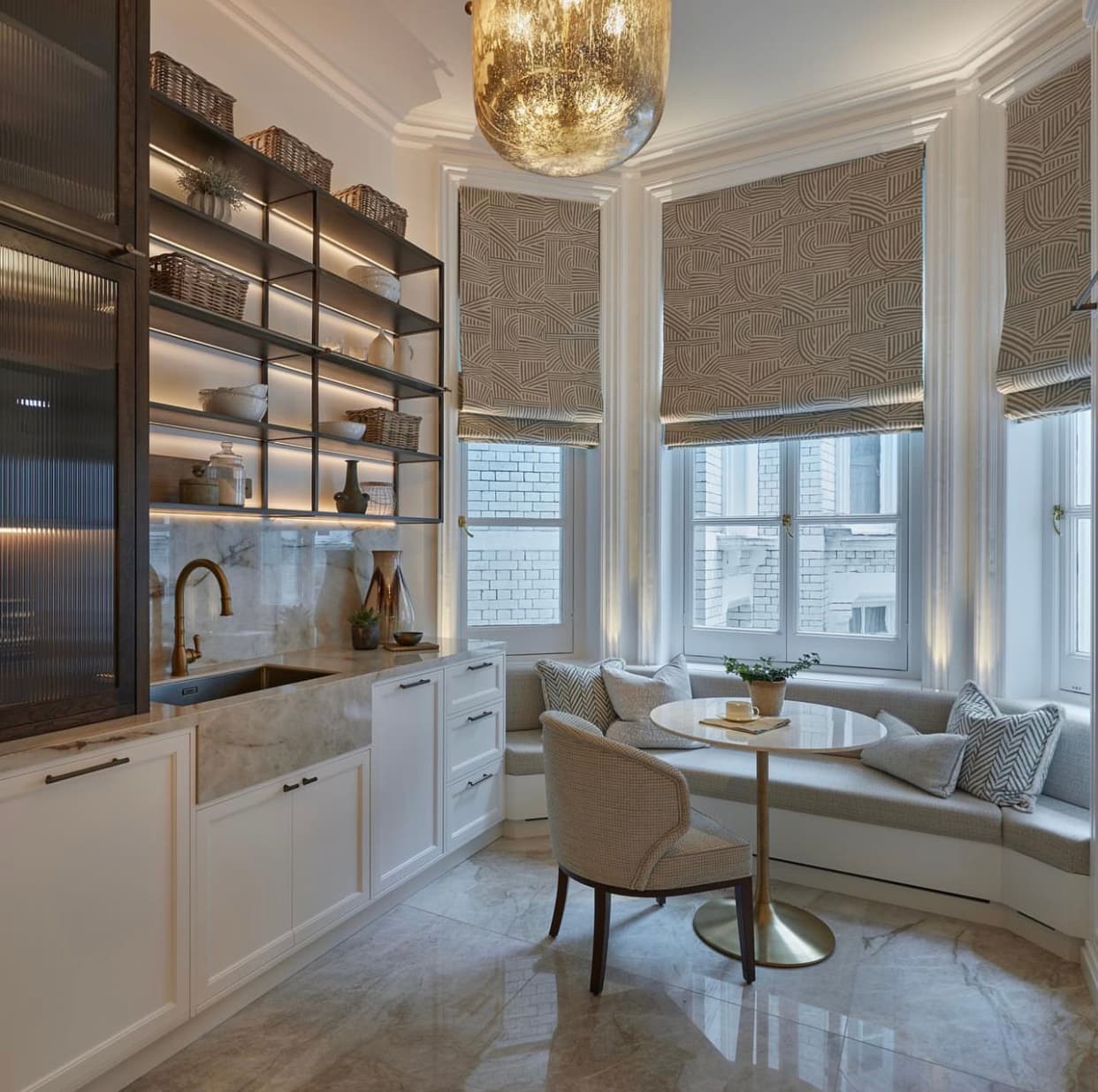
Banquette Seating Kitchen: The Art of Built-In Dining Done Properly
Explore how banquette seating transforms kitchen dining — from L-shaped corners and curved booths to storage-smart benches, upholstery choices, and dimensions that actually work. Inspiration for bespoke kitchens that invite you to sit down and stay.
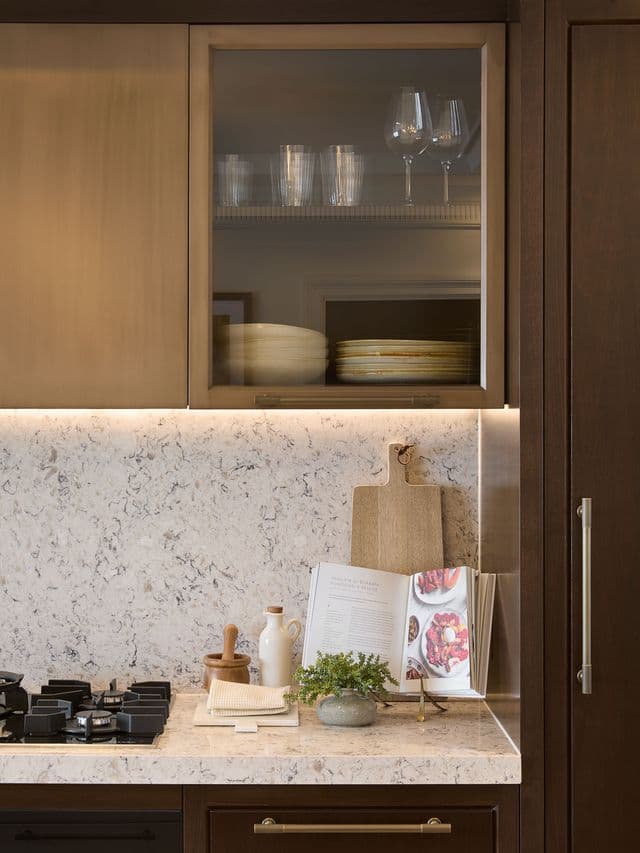
Arts and Crafts Kitchen Design: Where Handcraft Meets the Heart of the Home
Explore how the Arts and Crafts movement inspires truly bespoke kitchen design — from hand-forged ironmongery and English oak to William Morris colour palettes. A guide to creating kitchens that honour the handmade.
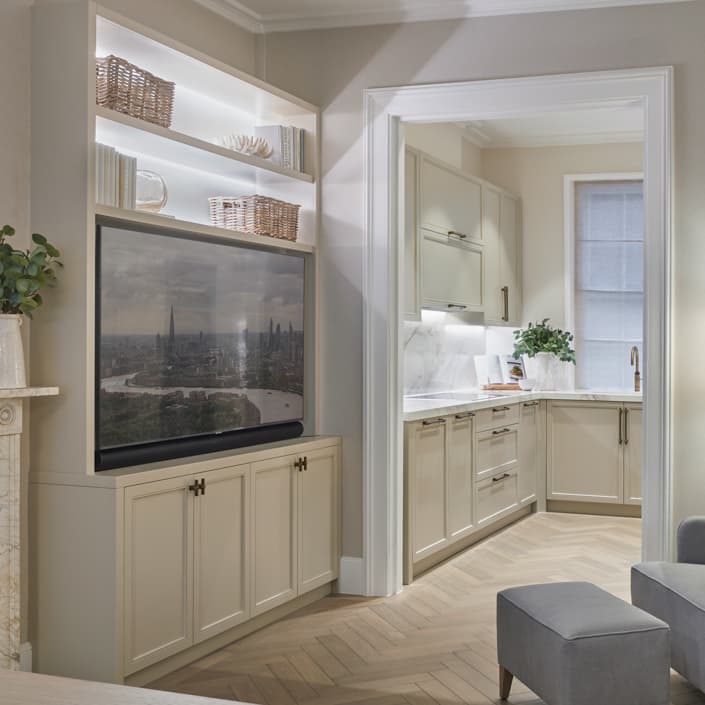
Barn Conversion Kitchen Design: Bespoke Kitchens for Extraordinary Spaces
Designing a kitchen for a barn conversion demands a bespoke approach. From double-height ceilings and exposed trusses to acoustic management and island design, discover how Albury House Kitchens creates luxury kitchens that honour agricultural architecture whilst delivering modern performance.