

The Return of Real Wood Kitchens: Why Natural Timber Is the Defining Trend of 2026
After two decades of painted cabinetry, real wood kitchens are making a remarkable comeback. We explore the timbers, finishes, and design philosophies driving the return to natural, unpainted kitchen cabinetry.
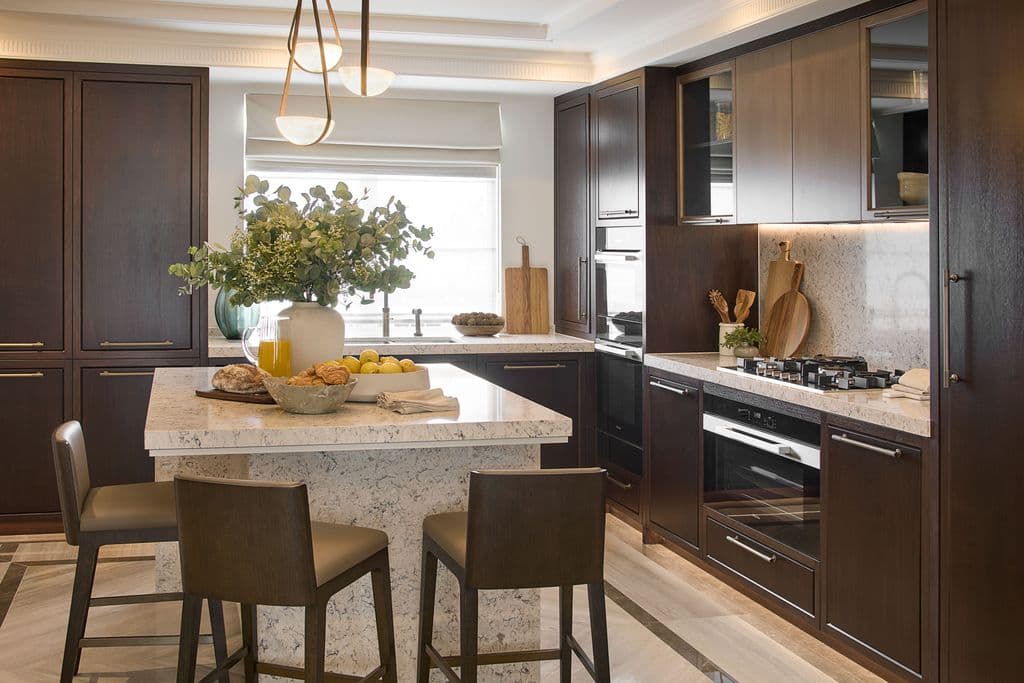
There is a moment, roughly every generation, when the kitchen world remembers that wood is beautiful.
For the better part of two decades, the prevailing orthodoxy has been clear: paint everything. Farrow & Ball references have been exchanged like currency. Entire kitchens have been rendered in shades so carefully muted they could pass for a Dulux existential crisis. Sage, mushroom, hague blue, pavilion grey — the British kitchen became a canvas for colour, and the timber underneath became something to conceal rather than celebrate.
But something has shifted. Walk through any serious kitchen showroom in 2026 and you will notice it immediately. The paint swatches are still there, but beside them — and increasingly instead of them — are timber samples. Oiled oak. Fumed elm. Soap-finished ash. Honeyed sweet chestnut. The natural grain is on display, unapologetic and unvarnished (sometimes quite literally).
Real wood kitchens are back. And this time, they feel different.
Why Painted Kitchens Dominated for Twenty Years
To understand why the pendulum is swinging, it helps to understand why it swung in the first place.
The painted kitchen rose to prominence in the early 2000s, driven by several converging forces. The explosion of interiors media — magazines, television programmes, and later Instagram — favoured kitchens that photographed well in flat colour. Paint offered a way to unify large expanses of cabinetry, creating the clean, composed backdrops that worked beautifully in editorial spreads and property listings.
There was a practical appeal, too. Paint conceals inconsistencies in the timber beneath, which meant that cabinetry could be constructed from more affordable substrates — MDF and tulipwood became the standard for painted work — without any visible compromise on the finished surface. For manufacturers, this was efficient. For homeowners, it meant access to a polished, designer-led aesthetic at a broader range of price points.
Paint also offered something timber alone could not: colour as personality. A kitchen in Stiffkey Blue made a statement. A kitchen in natural oak, at that time, simply looked like a kitchen that hadn't been finished yet.
The result was a generation of kitchens that were undeniably beautiful, impeccably photographed, and — if we are being honest — somewhat interchangeable. Walk into a high-end kitchen in Hertfordshire, Essex, or Cambridgeshire any time between 2010 and 2022, and you could have been forgiven for thinking they were all specified by the same designer on the same grey Tuesday afternoon.
Why the Pendulum Is Swinging Back
The return of real wood kitchens is not a rejection of painted cabinetry. It is, rather, a recalibration — a growing appetite for materials that feel honest, singular, and alive.
Several forces are at work.
A desire for authenticity. After years of highly curated, social-media-optimised interiors, there is a palpable shift towards spaces that feel genuine. Natural timber — with its grain variations, its tonal shifts, its gentle imperfections — reads as real in a way that a perfectly sprayed painted surface does not. It is a material that cannot be faked, and in an age of increasing digital artifice, that matters.
Material fatigue. Two decades of painted kitchens have, inevitably, produced a longing for something different. The design pendulum always swings. What was once fresh becomes familiar, and what was once familiar becomes fresh again. Timber kitchens now have the advantage of feeling novel to an entire generation of homeowners who have never lived with one.
A connection to nature. The biophilic design movement — the idea that human wellbeing is enhanced by connection to the natural world — has moved firmly from architectural theory into mainstream interior design. Real wood kitchens sit at the heart of this. There is a warmth and a tactile quality to timber that no painted surface, however skilfully applied, can replicate.
The influence of craftsmanship culture. A renewed appreciation for making, provenance, and the handmade has elevated materials that show evidence of how they were produced. A dovetail joint in oiled walnut is not merely structural — it is a statement of values.
The Appeal of Natural Wood
Spend time with a real wood kitchen and you begin to notice things that a photograph cannot convey. The way light catches the grain differently at different times of day. The warmth of the surface under your hand. The subtle scent of timber and beeswax. The way a well-oiled worksurface develops a deeper lustre with use rather than showing wear.
Natural wood is, quite simply, a material that improves with age. A painted kitchen at fifteen years old needs repainting. A natural timber kitchen at fifteen years old has developed a patina — a depth of colour and a softness of surface — that most people would pay a considerable premium to achieve from new.
This quality of ageing gracefully is central to the appeal. A real wood kitchen is not a depreciating asset in the way that a trend-driven painted kitchen can be. It exists outside the cycle of fashionable colours and finishes, rooted instead in the enduring beauty of the material itself. This is one of the reasons bespoke kitchen cabinets in natural timber are increasingly specified by clients who are thinking in decades rather than years.
Popular Timber Species for Kitchen Cabinetry
The choice of timber is the single most important aesthetic decision in a real wood kitchen. Each species has its own character, its own behaviour, and its own way of responding to light, touch, and time.
European Oak
The undisputed workhorse of English cabinetry. Oak is hard, stable, and extraordinarily versatile — equally at home in a Tudor farmhouse and a contemporary new-build. The grain is bold and characterful, with cathedral arches on flat-sawn boards and a quieter, more linear figure on quarter-sawn stock. Oak takes oil and wax finishes superbly, and its colour deepens over time from pale straw to a rich, golden honey. It is the safe choice, but it is also the right choice more often than any other timber.
Walnut
For clients who want warmth and drama, American black walnut is unmatched. Its deep chocolate-to-purple tones, swirling grain, and natural lustre make it the most expressive timber commonly used in kitchen cabinetry. Walnut is softer than oak, which makes it marginally more susceptible to everyday knocks, but this is a timber that wears its marks well — each dent and scratch adds to the story rather than detracting from it. An oiled walnut kitchen is, in our view, one of the most beautiful things you can put in a home.
Ash
Underrated and underused, ash deserves far more attention than it receives. Pale, strong, and with a long, flowing grain that gives it a distinctly contemporary feel, ash is an excellent choice for kitchens that want the warmth of natural wood without the visual weight of oak. It responds beautifully to liming and soap finishes, and its light tone makes it particularly effective in kitchens where natural light is at a premium.
Elm
Elm is the maverick of the timber world. Its grain is wild, swirling, and utterly unpredictable — no two boards look remotely alike. This makes it a challenging timber to work with (your cabinetmaker needs to be comfortable with character) but a thrilling one to live with. English elm, in particular, has a richness and warmth that is wholly distinct from any other native hardwood. It suits rustic, characterful interiors where personality takes precedence over uniformity.
Sweet Chestnut
Often described as oak's lighter, brighter cousin, sweet chestnut is an increasingly popular choice for real wood kitchens. It shares oak's durability and workability but with a more honeyed, golden tone and a slightly finer grain. It is also more sustainable than many imported timbers, being widely grown across southern England. For clients who want a distinctly English timber with a lighter touch than oak, sweet chestnut is an inspired choice.
Finish Options for Natural Wood Kitchens
The finish you apply to a real wood kitchen determines not only how it looks on day one, but how it will look in five, ten, and twenty years. The best finishes enhance the timber's natural character rather than obscuring it.
Oiled
Oil penetrates the timber surface, nourishing the wood from within and producing a low, natural sheen. It deepens the grain, enriches the colour, and provides a surface that is warm to the touch. Oiled surfaces are straightforward to maintain and can be re-oiled locally without the need to strip the entire piece — a practical advantage that should not be underestimated in a working kitchen. Hardwax oils, which combine the nourishing properties of oil with a thin, protective wax layer, are particularly popular for kitchen cabinetry.
Waxed
A pure wax finish produces the softest, most tactile surface of any option. It sits on the timber rather than within it, creating a gentle lustre that builds with buffing. Wax is less durable than oil in a kitchen environment and requires more frequent attention, but for display pieces — a dresser, a plate rack, open shelving — the finish is exquisite. Beeswax, in particular, imparts a subtle warmth and a faint, pleasing scent.
Limed
Liming involves working a white or pale-pigmented wax or paste into the open grain of the timber, then removing the excess from the surface. The result is a bleached, softened appearance where the grain is accentuated in white against the natural tone of the wood. It works beautifully on oak, ash, and chestnut, and it gives a room an immediate sense of light and air. Limed finishes suit coastal, Scandinavian, and country-influenced kitchens particularly well.
Soap-Finished
Borrowed from the Scandinavian tradition, soap-finishing involves repeatedly washing timber with a natural soap solution until a fine, matte surface builds up. The result is utterly natural — the timber looks almost raw but feels smooth and protected. It is particularly effective on pale timbers like ash and maple, where it preserves the lightness of the wood without the yellow cast that oils can sometimes introduce. There is a quiet, contemplative beauty to a soap-finished kitchen that suits the current mood perfectly.
Stained
Staining allows you to shift the colour of the timber whilst retaining its natural grain pattern. It broadens the palette considerably — a pale oak can be taken to a warm mid-brown, a driftwood grey, or a deep, near-black tone. Staining works best on open-grained timbers and should always be followed by a protective oil or lacquer. The skill lies in achieving a colour that looks deliberate but not artificial — a good stainer makes the timber look as though it simply grew that way.
Real Wood Kitchens Across Architectural Styles
One of the great strengths of natural timber is its adaptability. A real wood kitchen can feel entirely at home in buildings separated by centuries of architectural ambition.
Period country houses. Oiled oak with in-frame construction, beaded detailing, and traditional ironmongery. The timber connects the kitchen to the fabric of the building in a way that painted cabinetry never quite manages. Think wide-boarded oak doors with visible cathedral grain, paired with a worn limestone floor and a copper sink.
Georgian and Victorian townhouses. Walnut or fumed oak, with a slightly more refined, furniture-inspired approach. Panelled doors, brass cup handles, and a finish that is polished but not precious. The richness of the timber complements the proportions and mouldings of period architecture without competing with them.
Contemporary new-builds. Slab-door cabinetry in soap-finished ash or limed oak, with handleless profiles and integrated appliances. The timber provides warmth and texture that prevents a modern kitchen from feeling clinical. The contrast between precise, minimalist detailing and the organic character of natural wood is one of the most compelling design tensions in contemporary kitchen design.
Barn conversions and rural projects. Elm, sweet chestnut, or character-grade oak — timbers with personality that can hold their own against exposed beams, brick, and stone. These are kitchens where the material is the design, and the maker's job is to let the timber speak.
For more on how natural timber fits within the broader landscape of kitchen design trends in 2026, we have explored the subject in detail.
Mixing Timber with Paint
Real wood kitchens need not be all-or-nothing. Some of the most successful kitchen designs we have produced combine natural timber with painted cabinetry — a strategy that offers the best of both worlds.
The most common approach is to use timber for a focal piece — typically the island — whilst finishing the perimeter cabinetry in a complementary paint. An oiled walnut island against a backdrop of soft, chalky white painted units creates a striking visual hierarchy. The eye is drawn immediately to the island, which anchors the room and provides a counterpoint to the lighter surround.
Other variations work equally well. A tall dresser or larder unit in natural oak, flanking a painted cooking run. Open shelving in timber above painted base units. A window seat in oiled ash beneath a run of painted wall cabinets. The point is not to follow a formula but to use the contrast between painted and natural surfaces to create rhythm, interest, and depth.
The key to making this work is restraint. Choose one timber and one paint colour. Let the contrast do the talking. A kitchen with three timbers and two paint colours is not bold — it is confused.
The Japanese Influence: Wabi-Sabi and Natural Imperfection
No discussion of the real wood kitchen revival would be complete without acknowledging the quiet but profound influence of Japanese design philosophy.
Wabi-sabi — the Japanese aesthetic centred on the acceptance of transience and imperfection — has seeped deeply into contemporary Western interior design. Its principles align perfectly with the appeal of natural timber. A knot in an oak panel is not a defect; it is character. A variation in grain colour is not inconsistency; it is evidence that the material is real. The gradual darkening of a walnut surface over years of use is not deterioration; it is the kitchen becoming more beautiful with time.
This philosophy encourages a different relationship with our kitchens. Rather than expecting a pristine surface that must be maintained in perpetual newness, we are invited to appreciate the beauty of a material that changes, ages, and bears the marks of a life lived. It is a more relaxed, more generous way of inhabiting a kitchen — and it is, we think, a healthier one.
In practice, this influence manifests in a preference for finishes that allow the timber to age naturally, for grain selections that embrace rather than exclude character, and for a general loosening of the expectation that every surface must be flawless.
The Scandinavian Influence: Clean Lines and Pale Timbers
If Japan offers the philosophical underpinning for the real wood revival, Scandinavia provides the practical blueprint.
The Nordic tradition of using pale, untreated or soap-finished timbers in domestic interiors has never really gone away. In Denmark, Sweden, and Norway, natural wood kitchens are not a trend — they are simply how kitchens have always been made. The Scandinavian approach favours light-toned timbers — ash, birch, maple, pale oak — finished in ways that preserve their natural lightness.
What distinguishes the Scandinavian influence from the broader real wood movement is its discipline. Lines are clean. Profiles are simple. Hardware is minimal. The timber is allowed to be the primary texture in the room, supported by stone, linen, and muted paint tones rather than competing with ornate detailing or elaborate mouldings.
This restraint translates beautifully into British kitchens, particularly in contemporary homes and refurbished period properties where a lighter, calmer aesthetic is desired. A kitchen in soap-finished ash with a honed marble worksurface, simple brass knobs, and a single shelf of well-chosen ceramics is a deeply appealing proposition — warm enough to feel inviting, spare enough to feel considered.
Sustainability and Provenance
The environmental argument for real wood kitchens is stronger than many people realise.
Timber is a renewable resource. A sustainably managed forest is not diminished by harvesting; it is maintained, thinned, and replanted in cycles that can continue indefinitely. The carbon embodied in a solid timber kitchen is a fraction of that in a kitchen built from engineered boards, laminates, or synthetic materials — and it remains sequestered in the timber for the lifetime of the kitchen.
Provenance matters, too. At Albury House, we source our timbers wherever possible from British and European suppliers with verifiable chain-of-custody certification. We know where our oak was felled. We know how our walnut was dried. This traceability is not merely a marketing claim — it is a fundamental part of responsible sustainable kitchen material sourcing.
There is also the question of longevity. A real wood kitchen, properly maintained, will outlast a kitchen built from less durable materials by a considerable margin. A kitchen that lasts thirty years rather than fifteen is, by definition, the more sustainable choice — regardless of what it is made from.
Caring for a Natural Wood Kitchen
The question we hear most often from clients considering a real wood kitchen is: how much work is it? The honest answer is: very little, and rather pleasant work at that.
An oiled kitchen requires re-oiling once or twice a year on high-use surfaces — worktops, drawer fronts, the area around the sink. This is a fifteen-minute job per surface: apply the oil with a cloth, leave it for twenty minutes, buff off the excess. It is satisfying in the way that polishing shoes is satisfying — a small act of care that yields an immediate, visible reward.
For day-to-day cleaning, a damp cloth with a mild soap is all that is needed. Avoid harsh chemical cleaners, which can strip the oil finish, and wipe up standing water promptly — timber and persistent moisture are not friends.
Scratches and minor marks can be addressed locally. A light sand with fine-grit paper, followed by a fresh coat of oil, will restore the surface. This is one of the great practical advantages of an oiled finish over paint or lacquer — you can repair a small area without needing to refinish the entire piece.
Waxed and soap-finished surfaces require slightly more frequent attention but follow the same principle of little and often. The reward is a kitchen that genuinely improves with age — each re-application of oil or wax adds depth to the surface and enriches the character of the timber.
Making the Decision
Choosing between a painted kitchen and a real wood kitchen is ultimately a question of temperament as much as taste. If you prefer precision, uniformity, and the ability to change your colour scheme every decade, painted cabinetry remains a superb choice. If you are drawn to texture, warmth, and a material that develops character over time, natural timber will reward you in ways that paint simply cannot.
The two are not mutually exclusive, of course. Mixing timber and paint — an approach we have long championed at Albury House — allows you to enjoy the tactile pleasure of natural wood where you interact with it most closely, whilst retaining the composure of paint where a quieter backdrop serves the room.
What we can say with confidence is that the appetite for real wood kitchens is not a passing fashion. Timber was the original kitchen material. It endured for centuries before paint arrived, and it will endure long after the current shade of greige has been forgotten. The 2026 return to natural wood is not a trend in the usual sense — it is a homecoming.
If you are considering a real wood kitchen and would like to explore the possibilities with a maker who has been working in solid timber for three generations, we would be delighted to hear from you. Get in touch and we will arrange a visit to our workshop, where you can see — and feel — the difference that real timber makes.
Frequently Asked Questions
Thinking about a new kitchen?
Book Your Free ConsultationYou might also enjoy
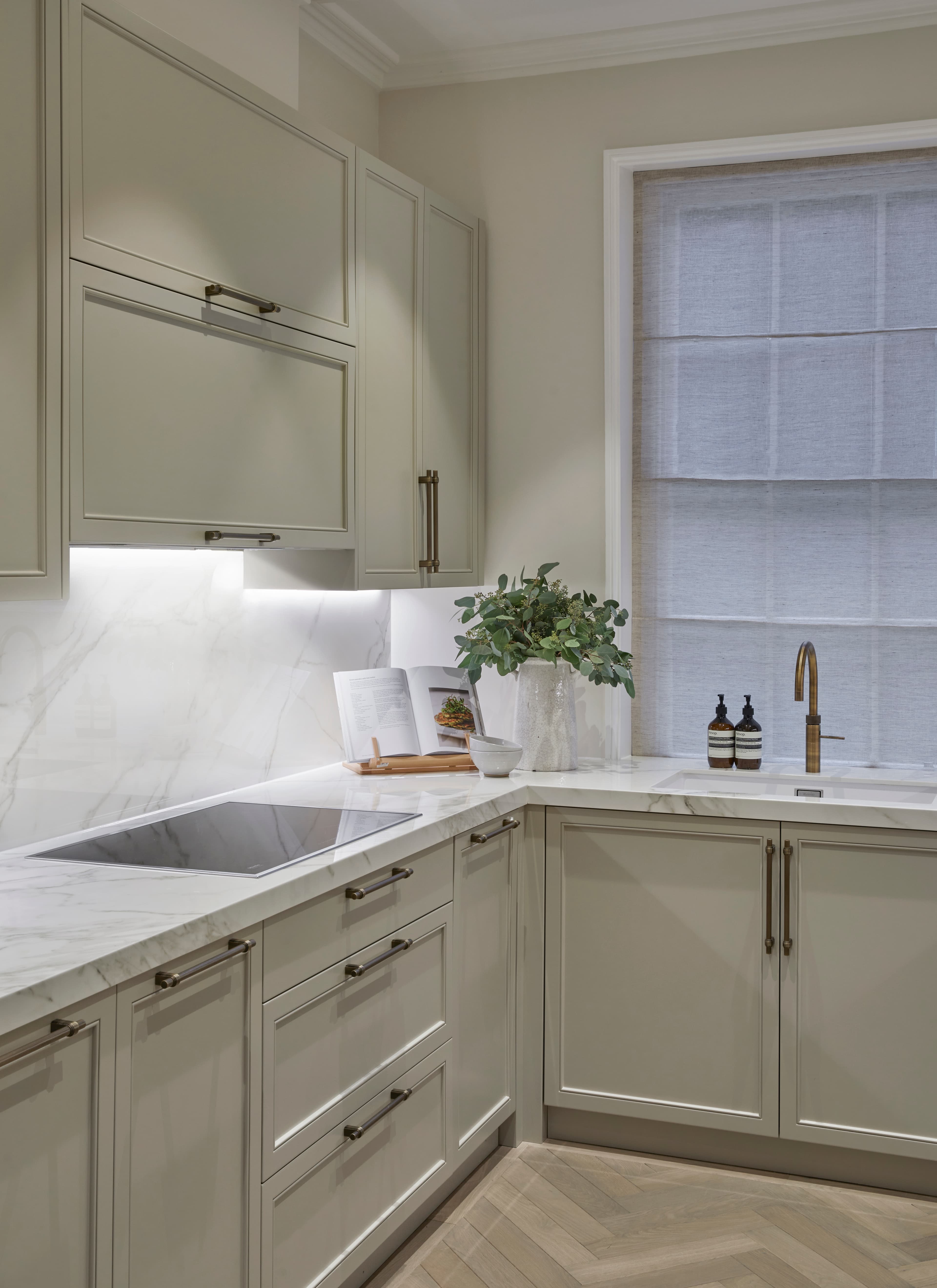
Earthy Kitchen Colours 2026: The Palette Shift Every Luxury Kitchen Needs
Why cool greys are fading and earthy, saturated kitchen colours are defining 2026. From sage green and terracotta to deep plum and burnt umber — how to choose, test, and live with the new warm palette in a bespoke kitchen.
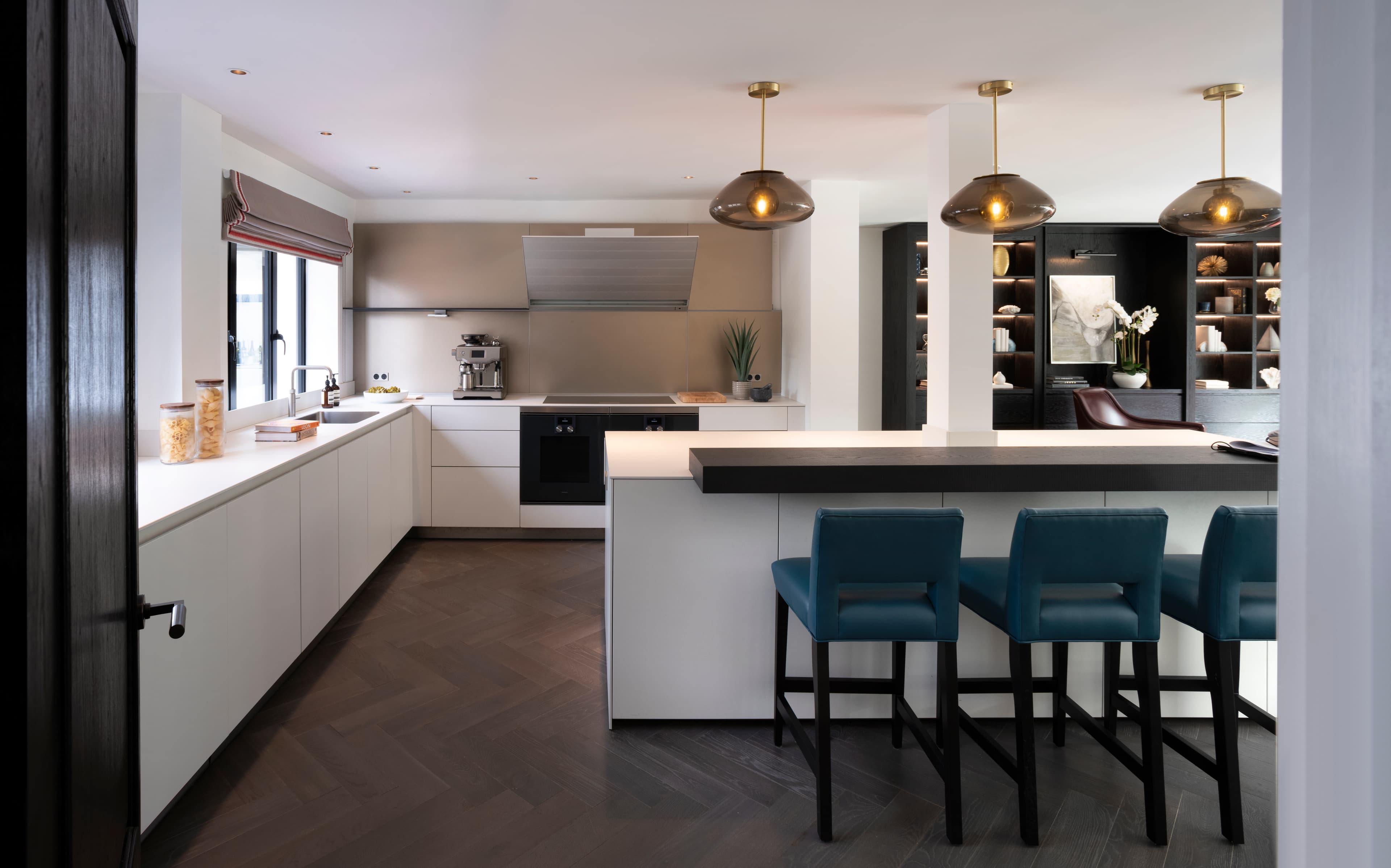
Kitchen Design Trends 2026: The Definitive Guide to What's Shaping Luxury Kitchens This Year
The 10 kitchen design trends defining 2026 — from the return of real wood and earthy colour palettes to sculptural islands, hidden sculleries, and the quiet triumph of handcraft over mass production. An authoritative guide from Albury House Kitchens.
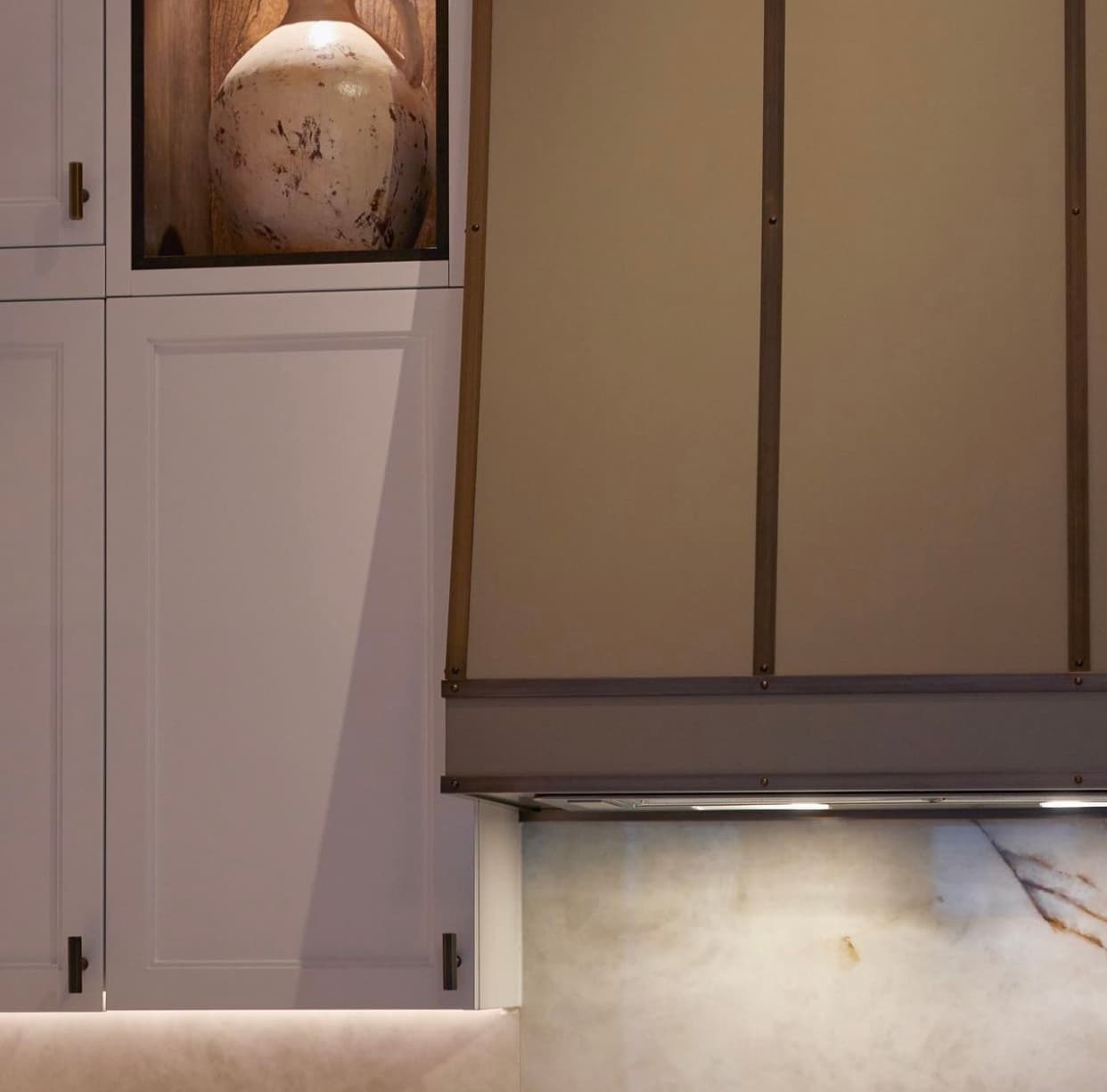
Matte Kitchen Finishes: Why the Quiet Surfaces Are Having Their Moment
The definitive guide to matte finishes in luxury kitchen design — from matt lacquer cabinetry and honed stone worktops to brushed brass hardware and limewash paint. How to use texture, sheen, and restraint to create a kitchen that feels as good as it looks.