

How to Choose a Luxury Kitchen Designer in the UK: The Complete Guide
A practical guide to finding the right luxury kitchen designer — what to look for, what to ask, and how to tell genuine craftsmanship from polished marketing. From a manufacturer who's seen it all.
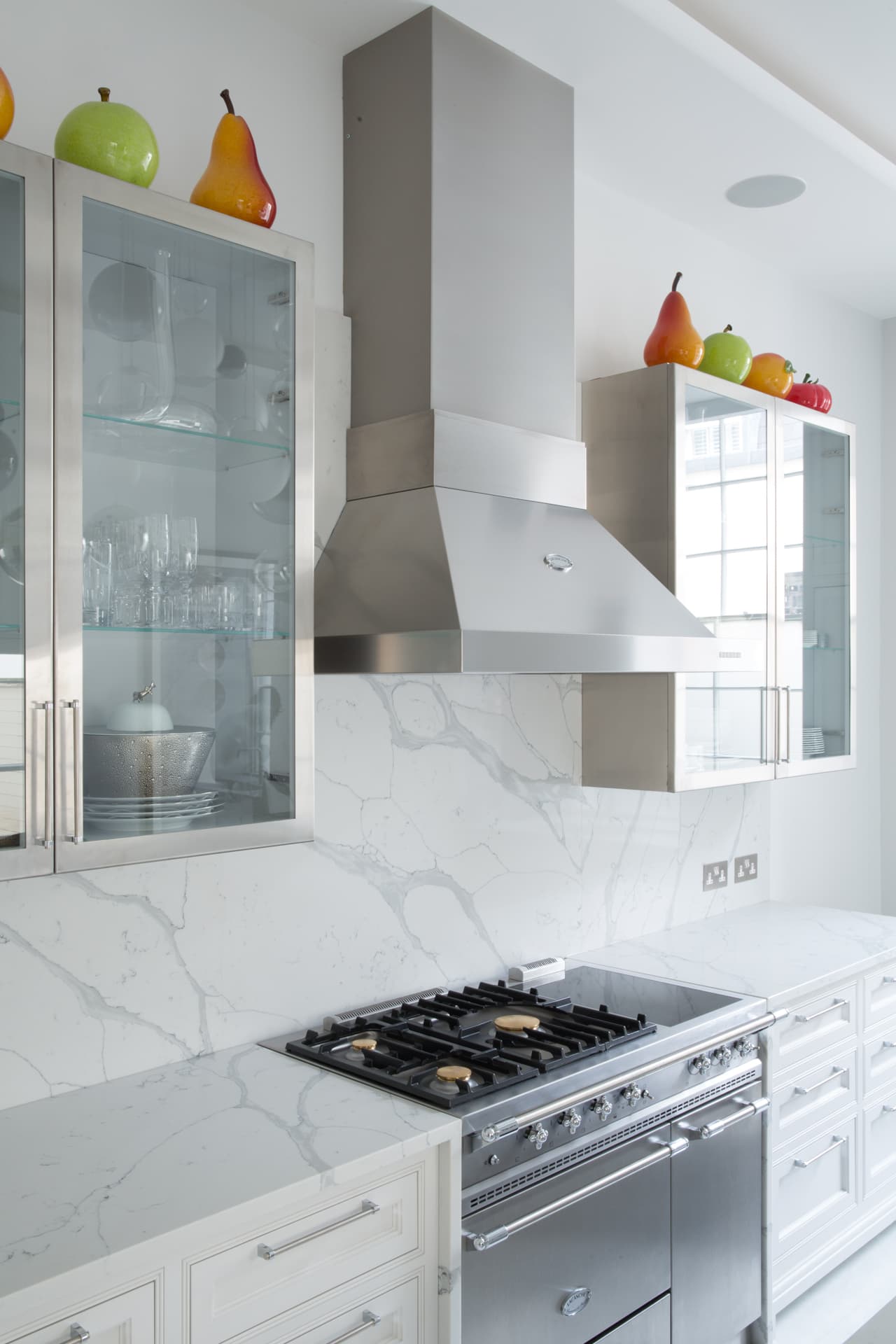
Choosing someone to design and build your kitchen is one of the more consequential decisions you'll make in your home. Not because it's irreversible — walls can always be moved back — but because a kitchen shapes how you live every single day. How you cook. How you entertain. How your mornings feel.
Get it right and you won't think about it. You'll just enjoy it, for years, without ever wishing something were different. Get it wrong and you'll notice it every time you open a drawer.
The trouble is, the luxury kitchen market in the UK is crowded, and not everyone selling the dream can actually deliver it. Glossy brochures and CGI renders are cheap. Hand-dovetailed drawers and decades of expertise are not.
This guide is for anyone about to invest in a serious kitchen — the sort of project that typically runs between £50,000 and £250,000 — and wants to choose their designer with the same care that should go into the kitchen itself. We'll cover what to look for, what questions to ask, and what should send you politely towards the door.
Understanding Who You're Actually Talking To
The first thing to grasp is that "luxury kitchen designer" covers a surprisingly broad range of businesses. Not all of them do the same thing, and the distinctions matter enormously.
Kitchen Retailers
These are showroom-based businesses that display kitchens from one or more manufacturers. They offer a design service, take your order, and coordinate delivery and installation. The design may be excellent, but the retailer doesn't build the kitchen. They're a middleman — sometimes a very good one, but a middleman nonetheless.
The risk here is accountability. If something goes wrong during manufacturing, the retailer can blame the factory. If installation is poor, they may blame the subcontracted fitters. You can find yourself caught between parties, none of whom feel entirely responsible.
Independent Kitchen Designers
Some designers work independently, creating beautiful plans and specifying every detail, then handing the project to a manufacturer and a separate installation team. This can work well if the designer is experienced and has strong relationships with their suppliers.
The risk is coordination. The designer draws it, someone else builds it, and a third party installs it. Three sets of hands, three sets of standards, and three diaries to align. When it works, it works beautifully. When it doesn't, unpicking what went wrong can be painful.
Manufacturer-Designers
This is what we are at Albury House Kitchens. We design, build, finish, and install your kitchen — all under one roof, all with the same team. The person who draws your pantry cabinet is in the same building as the joiner who builds it.
The advantage is singular accountability. There's nobody to blame because there's nobody else involved. If something isn't right, we fix it — because it's our design, our craftsmanship, and our reputation.
This doesn't mean manufacturer-designers are automatically the best choice for every project. But it does mean you should understand what model you're buying into before you sign anything.
What to Look for in a Luxury Kitchen Designer
Whether you're talking to a retailer, an independent designer, or a manufacturer-designer, certain qualities mark out the ones worth trusting.
A Portfolio of Completed Work — Not Just Renders
Anyone with the right software can produce a stunning 3D render. It means almost nothing. What you want to see is photography of finished, installed kitchens — in real homes, with real light, being used by real people.
Better still, ask if you can speak to previous clients. A designer confident in their work will have no hesitation in connecting you with someone who's been through the process. If they hesitate, ask yourself why.
Transparency About Process and Pricing
A reputable luxury kitchen designer will explain their process clearly: how many consultations to expect, what the design phase involves, when you'll see drawings, how pricing works, and what happens if you want to make changes.
Be wary of anyone who's vague about costs until you've committed emotionally. A good designer will give you an honest indication of budget range early — not to pin you down, but to ensure neither of you wastes time designing something that doesn't align with your investment.
At Albury House, we discuss budget openly at the first meeting. It's not a commitment; it's a conversation. And our quotations are fully itemised so you can see exactly where every pound goes. If you're trying to understand what a bespoke kitchen typically costs, our bespoke kitchen cost guide covers this in detail.
A Genuine Interest in How You Live
The best kitchen designers ask far more questions than they answer in that first meeting. They want to know how you cook, how often you entertain, whether your children do homework at the island, whether you need a dog bowl alcove or a dedicated coffee station.
A designer who arrives with a pre-formed idea of what you should have — before understanding what you actually need — is designing for their portfolio, not for your life.
Proper Qualifications and Affiliations
Membership of industry bodies such as the KBSA (Kitchen Bathroom Bedroom Specialists Association) or the Guild of Master Craftsmen offers a degree of reassurance, though it's not a guarantee of quality. More telling is how long they've been in business, whether they have a permanent premises, and whether their team is employed rather than subcontracted.
Questions You Should Always Ask
Arm yourself with these before any meeting. The answers will tell you a great deal.
"Do you manufacture your own cabinetry, or is it outsourced?" This is the single most important question. It determines who's actually responsible for quality. If the answer is outsourced, ask to whom, and whether you can visit that facility.
"Who installs the kitchen?" If the installation is subcontracted, ask how the fitters are selected, supervised, and held accountable. The best scenario is a team that builds and installs — they understand every joint, every alignment, every intention behind the design.
"Can I visit the workshop?" If they build in-house, a workshop visit should be straightforward and welcomed. You'll learn more in thirty minutes on a workshop floor than in three hours in a showroom. More on this shortly.
"What happens if something isn't right after installation?" Every decent kitchen company should have a clear aftercare process. Ask about guarantees, response times, and who handles snagging. The answer reveals how much they value the relationship beyond the sale.
"Can I speak to a recent client?" Not a testimonial on a website — an actual conversation with someone who's lived through the process. Their candour will be invaluable.
"What's included in the price, and what isn't?" Appliances, worktops, building work, electrics, plumbing, tiling, flooring — some of these may be included, some may not. You need to know exactly what you're comparing when you look at quotations side by side.
Red Flags to Watch For
Over the years, we've heard stories from clients who came to us after difficult experiences elsewhere. Certain patterns recur.
High-pressure sales tactics. Any designer who pushes you to sign quickly, offers time-limited discounts, or makes you feel that hesitation is a mistake — walk away. A luxury kitchen is not a sofa sale.
Reluctance to show real completed work. If the portfolio is entirely renders, or the photography looks suspiciously like stock imagery, ask harder questions. A company with genuine projects will be proud to show them.
Vague or incomplete quotations. If the quote is a single number with no breakdown, you have no way of understanding what you're paying for — or of comparing it meaningfully with another quote.
No fixed address or workshop. A designer working from a home office with no permanent premises isn't necessarily bad, but it does raise questions about longevity and scale. If you're investing six figures, you want to know the business will exist in five years' time.
Deposits demanded before detailed designs. It's reasonable to pay a design fee to begin the process. It's unreasonable to hand over a large deposit before you've seen and approved detailed drawings.
Why a Workshop Visit Matters
If you're considering a manufacturer-designer, visiting the workshop is one of the most valuable things you can do. We say this not as a sales pitch but because it genuinely changes the conversation.
In a showroom, you see finished surfaces — paint, polish, perfection. In a workshop, you see what's underneath. You see the timber being selected. You see the joints being cut. You see the care that goes into work that will be hidden behind a door for the next thirty years.
You also meet the people. The joiners, the finishers, the people who will be making your kitchen with their hands. There's a trust that comes from that meeting which no brochure can replicate.
At Albury House, workshop visits are a standard part of our process. Clients are welcome at any time — not just for a curated tour, but to see genuine work in progress. If you're curious about what the full commissioning journey looks like, our guide to commissioning a bespoke kitchen walks through every stage.
Portfolio vs Promises: Reading Between the Lines
A strong portfolio is essential, but read it critically. Here's what to look for:
Range of styles. Can this designer work across different aesthetics — Shaker, contemporary, classic — or does every kitchen look the same? Versatility suggests genuine design skill rather than a formula repeated with minor variations.
Consistency of quality. Look past the hero image. Ask for details: close-ups of joinery, paint finish, hardware integration, how the kitchen meets the walls and ceiling. The details tell the truth.
Real homes, not showrooms. A kitchen that looks spectacular in a purpose-built showroom with perfect lighting has proved very little. A kitchen that looks spectacular in a Victorian terrace with uneven walls and an awkward soil pipe — that's craftsmanship.
Longevity. Can they show you kitchens they installed five or ten years ago? How have they aged? A kitchen that photographs well on installation day is one thing. A kitchen that still looks beautiful a decade later — that's the standard you're paying for.
The Value of a Home Visit
Never commission a luxury kitchen from anyone who hasn't visited your home. Floor plans and photographs are not enough.
A home visit reveals things that no drawing can capture. The quality and direction of natural light. The way sound carries through the space. The architectural character of the house — its proportions, its materials, its personality. The way you and your family actually move through the room.
A good designer will spend the first visit mostly listening. They'll ask about your frustrations with the current kitchen, your cooking habits, your entertaining style, how many people are typically in the room at once. They'll notice the things you've stopped noticing — the dead corner nobody uses, the window that could become a focal point, the ceiling height that's begging for taller cabinetry.
This is where the design process truly begins, and it's why we always recommend getting in touch to arrange a no-obligation home visit as your first step.
Managing the Relationship
A bespoke kitchen project typically spans three to six months from first meeting to completed installation. That's a meaningful relationship, and managing it well matters.
Communicate openly. If something in the design doesn't feel right, say so — even if you can't quite articulate why. A good designer will probe until they understand the concern, not dismiss it.
Trust the process. There will be moments when you're asked to make decisions about things you've never considered — hinge types, drawer runner specifications, paint sheen levels. This is normal. Your designer should guide you through these decisions, not overwhelm you with them.
Respect the timeline. Handmade cabinetry cannot be rushed without compromising quality. If your designer quotes sixteen weeks for manufacture, that's because the work genuinely takes sixteen weeks. Pushing for shortcuts rarely ends well.
Keep a single point of contact. If the project involves other trades — builders, electricians, plumbers — ensure your kitchen designer is coordinating with them directly. Miscommunication between trades is the single most common source of problems in kitchen projects.
Why Local Designers Have Advantages
There's a strong practical case for choosing luxury kitchen designers within reasonable distance of your home. For those of us along the M11 corridor — from Cambridge through to North London and Essex — proximity brings tangible benefits.
More consultations, more refinement. When your designer is forty minutes away rather than four hours, it's far easier to schedule the additional visits that turn a good design into a great one.
Workshop accessibility. Being able to pop into the workshop during manufacturing is a pleasure that long-distance clients simply don't get. Seeing your kitchen take shape — the timber selected, the first cabinets assembled — adds enormously to the experience.
Responsive aftercare. If a hinge needs adjusting six months after installation, a local company can be with you quickly. Distance makes aftercare slower and more expensive for everyone.
Regional understanding. A designer familiar with your area understands local architecture, common construction methods, and even planning considerations. They've likely worked in houses similar to yours, which means fewer surprises.
For a sense of what luxury kitchen design looks like in specific areas, you might find our guides to luxury kitchen design in Hampstead and bespoke kitchens in Cambridge useful reading.
Your Checklist Before Committing
Before you sign with any luxury kitchen designer, work through this list:
- Have you visited their workshop or manufacturing facility? If they build in-house, this should be non-negotiable. If they outsource, have you seen where the work is done?
- Have they visited your home? Not a video call. Not a floor plan review. An actual visit, in your actual kitchen, with real conversation.
- Have you seen completed kitchens — not just renders? Photography of real installed projects, ideally in homes rather than showrooms.
- Have you spoken to a previous client? Someone who can speak candidly about the experience from start to finish.
- Is the quotation fully itemised? Can you see exactly what's included — cabinetry, worktops, hardware, installation — and what sits outside the quote?
- Do you understand the timeline? From design approval through to installation, with realistic milestones and clear communication expectations.
- Is there a formal aftercare commitment? Guarantees, snagging procedures, and who to contact if something needs attention.
- Do you like and trust these people? This matters more than you might think. You'll be in a close working relationship for months. If the chemistry isn't there, the process will be harder than it needs to be.
Making Your Decision
Choosing a luxury kitchen designer is ultimately a decision about trust. Trust that they'll listen. Trust that they'll deliver what they've promised. Trust that the craftsmanship hidden behind the doors is as good as the finish you can see.
The best way to build that trust is to do your homework. Visit workshops. Ask hard questions. Talk to previous clients. Compare quotations line by line, not just bottom line to bottom line.
And if, after all that, you'd like to have a conversation with us — we'd be delighted. Albury House Kitchens has been designing and building luxury kitchens for families across the M11 corridor for years. Every kitchen leaves our workshop with the same promise: that it was made, not just assembled, for the people who'll use it every day.
Arrange a home visit or explore our full range of services to see how we work. If you're earlier in your research, our guide to the best luxury kitchen brands in the UK may also help you navigate the market.
Frequently Asked Questions
Thinking about a new kitchen?
Book Your Free ConsultationYou might also enjoy
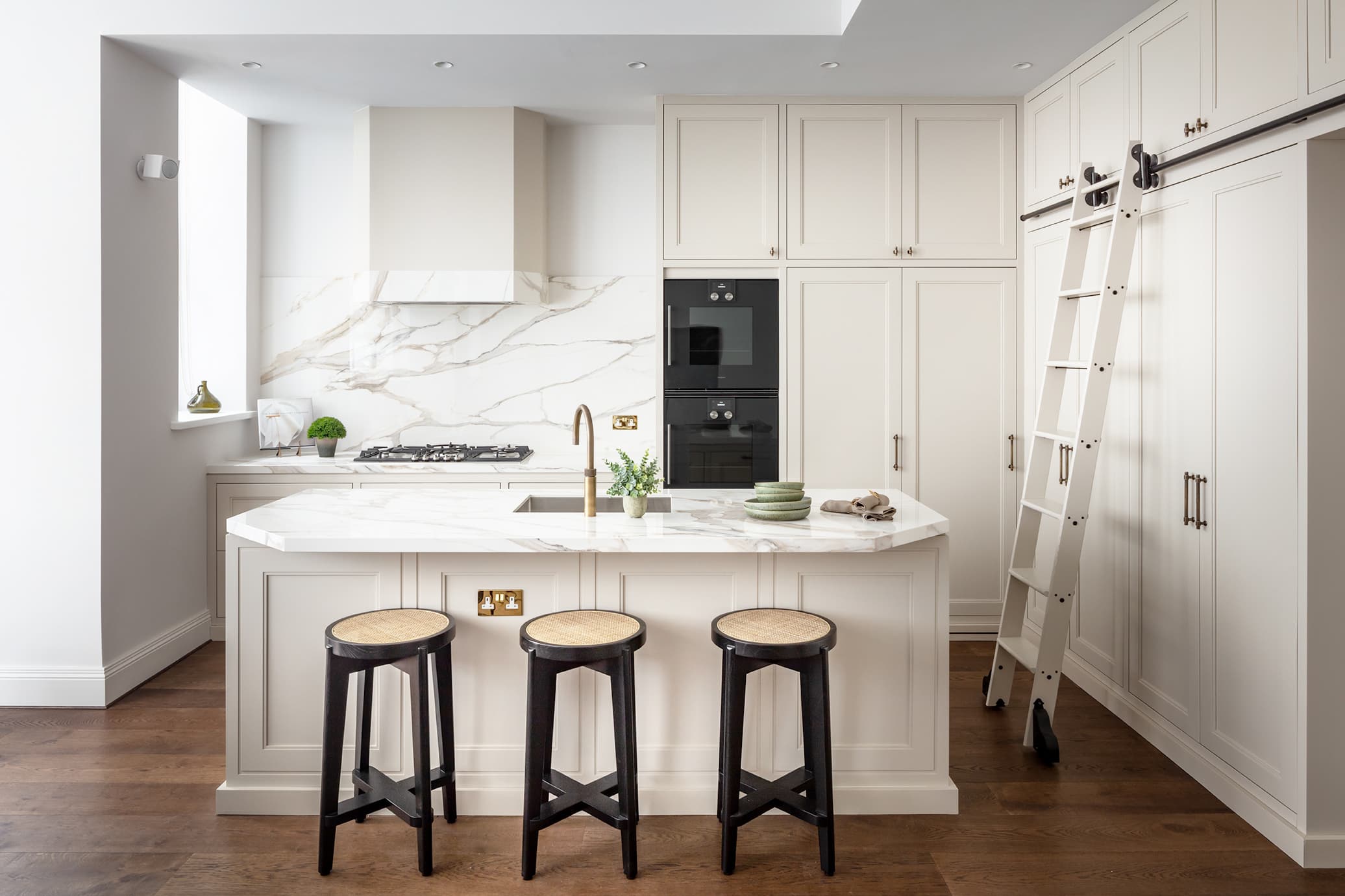
Bespoke Kitchen Cabinets: The Definitive Guide to Handmade Cabinetry
Everything you need to know about bespoke kitchen cabinets — from construction methods and timber selection to door styles, finishes, and the details that distinguish genuine craftsmanship from the merely expensive.
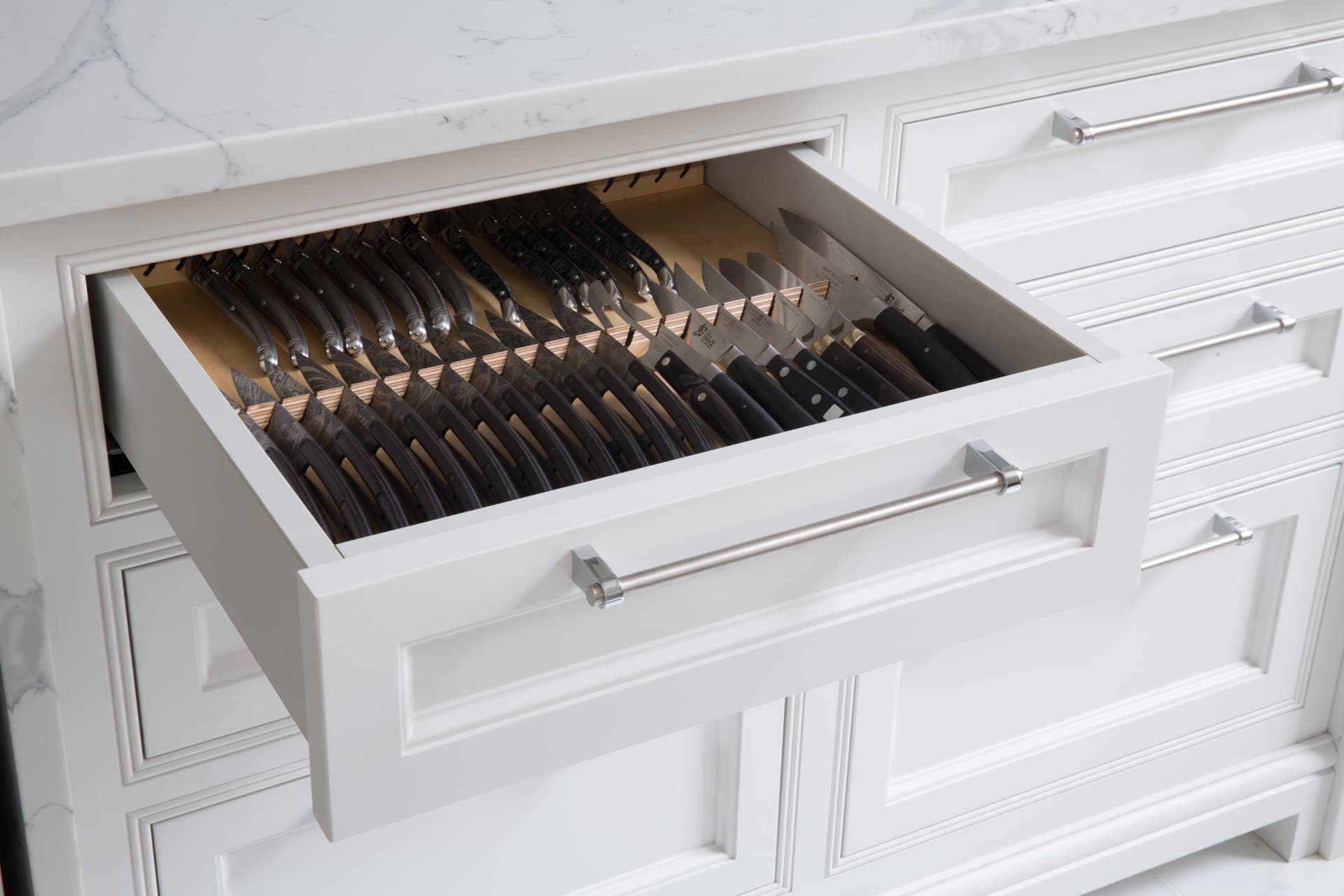
Bespoke Kitchen Joinery: The Craft Behind Cabinets That Last Generations
A detailed guide to the joinery techniques used in bespoke kitchen craftsmanship — from dovetail drawers and mortise-and-tenon frames to tongue and groove panels. Learn how to recognise quality joinery and why it determines how long your kitchen will last.
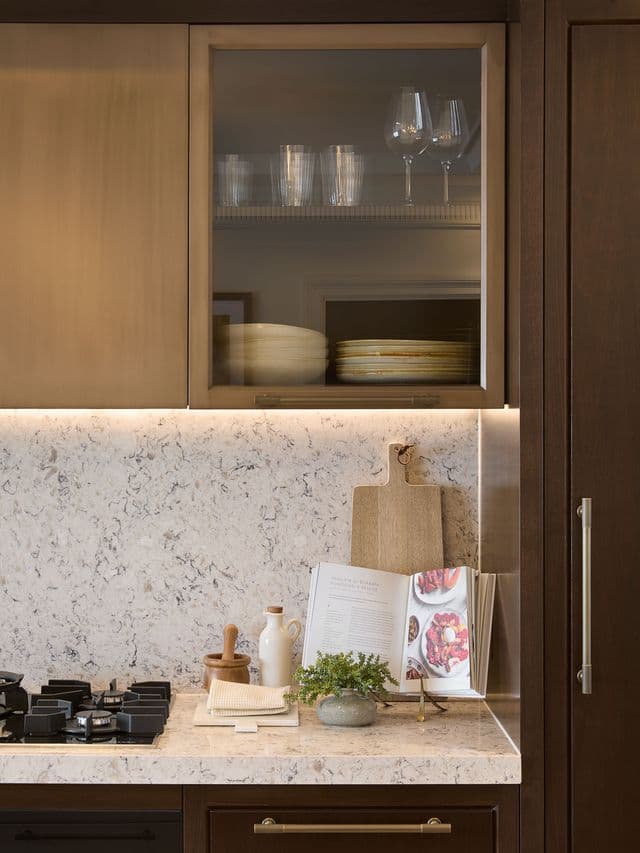
The Bespoke Kitchen Design Process: From Brief to Blueprint
How does a bespoke kitchen get designed? We walk through every stage of the design process — from developing the brief and spatial analysis to 3D visualisation, technical drawings, material specification, and sign-off.