

How Much Does a Bespoke Kitchen Cost in the UK? A Transparent Guide
A straightforward breakdown of bespoke kitchen cost in the UK — what drives the price, what to budget for, and why the investment is worth every penny. No vague ranges, no hard sell.
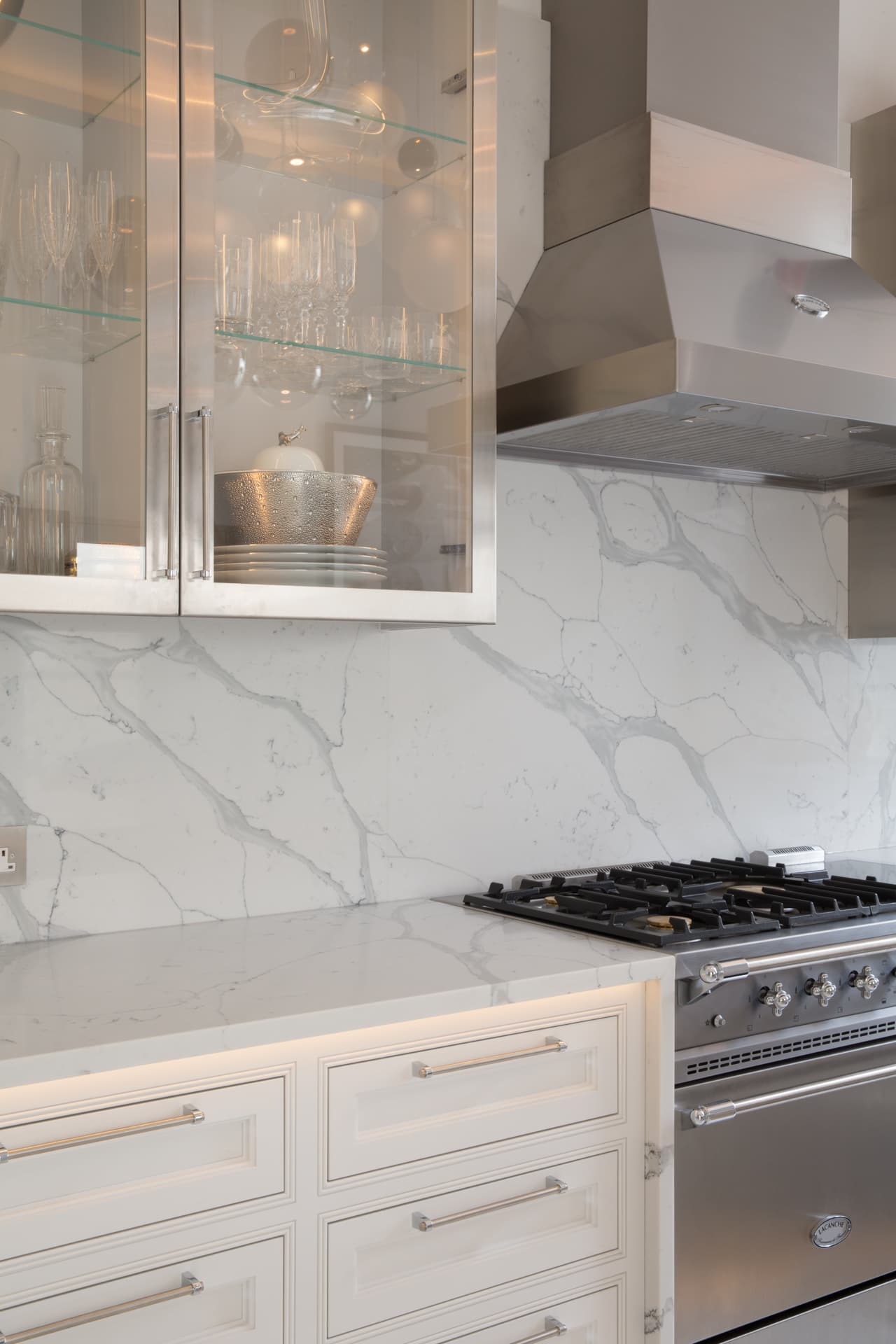
If you're reading this, you've probably typed something like "how much does a bespoke kitchen cost" into a search engine and been met with frustratingly vague answers. Ranges so wide they're practically meaningless. Phrases like "it depends" doing a lot of heavy lifting.
We understand the frustration. Bespoke kitchen cost is one of the most common questions we're asked at Albury House Kitchens, and it deserves a proper answer — not a cagey deflection dressed up as discretion.
So here it is: a transparent, detailed guide to what a bespoke kitchen actually costs in the UK, what influences the price, and how to think about the investment. We won't pretend there's a single number that covers every project — there isn't — but we will give you enough clarity to plan with confidence.
Bespoke Kitchen Cost: The Honest Overview
Let's start with the numbers. A genuine bespoke kitchen in the UK — designed from scratch, built by hand, installed by the same team — typically falls into these ranges:
| Level | Indicative Cost | What It Includes |
|---|---|---|
| Essential Bespoke | £40,000 – £60,000 | A smaller kitchen with hand-built cabinetry, quality timber, solid worktops, and a thoughtful design. Simpler layouts and finishes. |
| Classic Bespoke | £60,000 – £100,000 | The heart of what most clients commission. Larger kitchens with islands, premium materials, integrated appliances, and complex storage solutions. |
| Premium Bespoke | £100,000 – £150,000 | Expansive layouts, statement materials (natural stone, specialist timbers), bespoke metalwork, and intricate design details. |
| Exceptional Bespoke | £150,000 – £250,000+ | The most ambitious projects. Multiple room schemes, rare or exotic materials, architectural integration, and the kind of craftsmanship that belongs in the finest homes. |
These figures cover the kitchen furniture itself — design, manufacture, finishing, and installation — along with worktops and hardware. Appliances, building work, and associated trades (plumbing, electrics, tiling, flooring) sit outside these ranges unless specified in your brief.
Most Albury House projects fall in the £60,000 to £150,000 range. That's not a boast — it's simply where the majority of our clients' ambitions align with the quality of materials and craftsmanship we insist upon.
What Drives the Cost of a Bespoke Kitchen?
Understanding where the money goes removes much of the mystery. Here's how a typical bespoke kitchen cost breaks down:
Cabinetry and Construction (40–50%)
This is the single largest element and the one that most clearly distinguishes bespoke from fitted. Every cabinet is designed to your space and built by hand — there are no standard modules pulled from a warehouse.
The cost reflects:
- Design time — hours of detailed drawing and specification work
- Timber selection — solid hardwoods and veneers chosen for your project
- Joinery — traditional techniques that ensure structural integrity for decades
- Finishing — hand-applied paint or lacquer, typically five coats with sanding between each
- Installation — carried out by the people who built it, not subcontracted fitters
The complexity of the design matters enormously here. A straightforward run of cabinets is one thing. Curved units, integrated furniture pieces, bespoke pantry systems, and purpose-built storage all add to the manufacturing hours.
Worktops and Stone (15–25%)
Worktop choice is often the most dramatic cost variable in a bespoke kitchen. The range of possibilities is vast:
- Engineered quartz — a practical, durable option typically starting from £3,000 for a standard layout
- Granite — hard-wearing and available in a wide range of finishes, from £4,000
- Marble — beautiful and characterful, from £5,000 to well beyond £20,000 for rare varieties
- Quartzite — increasingly popular for its natural beauty and superior hardness, from £6,000
- Specialist options — brushed stainless steel, pewter, reclaimed timber, or concrete for specific applications
With natural stone, the slab you choose matters as much as the stone type. Two pieces of Calacatta marble can differ enormously in figure and veining — and in price. We always recommend visiting the stone yard to select your exact slab.
Appliances (10–20%)
Appliance budgets vary wildly depending on ambition. A solid, well-specified set from a manufacturer like Miele or Gaggenau might cost £8,000 to £15,000. For clients wanting professional-grade range cookers, integrated wine conditioning, steam ovens, teppanyaki plates, and built-in coffee systems, the appliance budget can easily reach £25,000 to £40,000.
Our design team advises on appliance specification as part of the process — we're brand-agnostic and recommend based on how you actually cook.
Hardware and Fittings (5–10%)
Handles, knobs, hinges, and drawer mechanisms might seem like minor details, but they have a meaningful impact on both cost and daily experience. A set of premium drawer runners from Blum or Grass runs into thousands across a full kitchen. Brass hardware, hand-forged ironmongery, or bespoke metalwork adds further.
We're particular about this category. The handle you grasp twenty times a day should feel exactly right.
Design and Project Management (5–10%)
The design process for a bespoke kitchen is comprehensive — typically spanning several weeks and involving measured surveys, 3D visualisations, detailed technical drawings, material sourcing, and coordination with other trades. Our guide on commissioning a bespoke kitchen walks through every stage in detail.
This investment in design is what prevents costly mistakes during manufacture and ensures the finished kitchen lives up to its promise.
Why Does a Bespoke Kitchen Cost More Than a Fitted Kitchen?
This is a fair question and one that deserves a direct answer.
A premium fitted kitchen from a reputable manufacturer might cost £20,000 to £40,000. It will be well made, likely use decent materials, and arrive in standard-sized modules that are assembled on site. For many people, that is the right choice.
A bespoke kitchen costs more because it is a fundamentally different product:
- No standard sizes — every component is made to your exact dimensions, which means more material waste and more manufacturing time
- Hand-built construction — skilled joiners working with traditional techniques, not CNC machines running production batches
- Individual finishing — five-coat hand-sprayed or brushed paint finishes versus factory-applied lacquer
- Design depth — weeks of bespoke design work versus selecting options from a configurator
- Single-team accountability — the same people design, build, and install, which eliminates the communication gaps that plague multi-contractor projects
You are paying for hundreds of hours of skilled human craftsmanship. There is no shortcut to that, and we wouldn't want one.
The Question of Value
Cost and value are different conversations. A bespoke kitchen is a permanent addition to your home — built to last not years but decades. The quality of construction means it won't need replacing in fifteen years when the hinges fail or the laminate chips. The timeless design means it won't date the way trend-driven kitchens do.
For homes in Cambridge, Hampstead, and the Essex villages along the M11 corridor, a beautifully designed bespoke kitchen also adds meaningful value to the property. Estate agents consistently report that a high-quality kitchen is one of the most influential factors in achieving premium sale prices.
How to Set Your Bespoke Kitchen Budget
If you're at the early planning stage, here's a practical framework:
1. Start With the Space
The size and complexity of your kitchen is the single biggest determinant of cost. A galley kitchen in a period townhouse is a very different proposition to an open-plan kitchen-dining-living space in a new build.
2. Define Your Priorities
Not every surface needs to be the most expensive option. Some clients invest heavily in a showstopping island but choose simpler cabinetry for utility runs. Others prioritise appliances or stone. A good designer helps you allocate budget where it will have the greatest impact on your daily life.
3. Budget for the Whole Room
Your kitchen furniture budget is not your total budget. Factor in:
- Building work — wall removal, structural steels, plastering, rewiring
- Flooring — natural stone, engineered timber, or polished concrete
- Lighting — architectural lighting design can transform a space
- Decoration — painting, wallpaper, window treatments
- Associated trades — plumbing, electrical, tiling
As a rough guide, associated building work and finishes typically add 30 to 50 per cent on top of the kitchen furniture cost.
4. Have an Honest Conversation Early
The most productive thing you can do is have a frank conversation with your kitchen designer at the earliest opportunity. A good designer — and we'd like to think we qualify — will tell you honestly what your budget can achieve and, equally importantly, what it cannot.
We would always rather have that conversation before you've fallen in love with a design that doesn't fit your budget.
Common Pricing Misconceptions
A few myths worth addressing:
"Bespoke kitchens are overpriced." The margins on genuine bespoke work are actually tighter than you might expect. There is no factory efficiency to subsidise the process — every hour of a joiner's time, every sanding pass, every coat of paint is reflected in the price. What you are buying is time, skill, and materials — nothing more, nothing less.
"I can get the same result for less if I project-manage it myself." In theory, perhaps. In practice, coordinating separate cabinetmakers, painters, installers, stone fabricators, and appliance suppliers is a full-time job — and when something goes wrong (and something always does), there's no single point of accountability. The premium for an end-to-end service is, for most clients, money extremely well spent.
"The worktop is just the worktop." Natural stone is one of the most variable cost elements in any kitchen. The difference between a standard granite and a bookmatched Patagonia quartzite can be tens of thousands of pounds. Understanding this early prevents budget surprises later.
What to Expect From Albury House Kitchens
We believe that transparency about bespoke kitchen cost builds trust, and trust is the foundation of every project we undertake. Here's what you can expect from us:
- Honest early guidance on what your budget can realistically achieve
- A fully itemised quotation with no hidden costs or ambiguous allowances
- Staged payments linked to clear milestones — you never pay for work that hasn't been completed
- A fixed price — the agreed figure is what you pay, unless you choose to make changes
- No pressure — we would genuinely rather you found the right kitchen at the right budget than commission something that isn't quite right
Our full range of services covers everything from initial design consultation through to installation and aftercare.
Ready to Discuss Your Project?
Every kitchen we build begins the same way: with a conversation. Not a sales pitch — a genuine, unhurried discussion about your home, how you live, and what you'd like your kitchen to be.
If you're considering a bespoke kitchen for your home in Cambridge, Hampstead, Essex, or anywhere along the M11 corridor, we'd welcome the opportunity to talk. We'll give you an honest assessment of what's possible within your budget and a clear picture of the process ahead.
Book your free design consultation — no obligation, no jargon, just a straightforward conversation about what a bespoke kitchen could look like in your home.
Frequently Asked Questions
Thinking about a new kitchen?
Book Your Free ConsultationYou might also enjoy
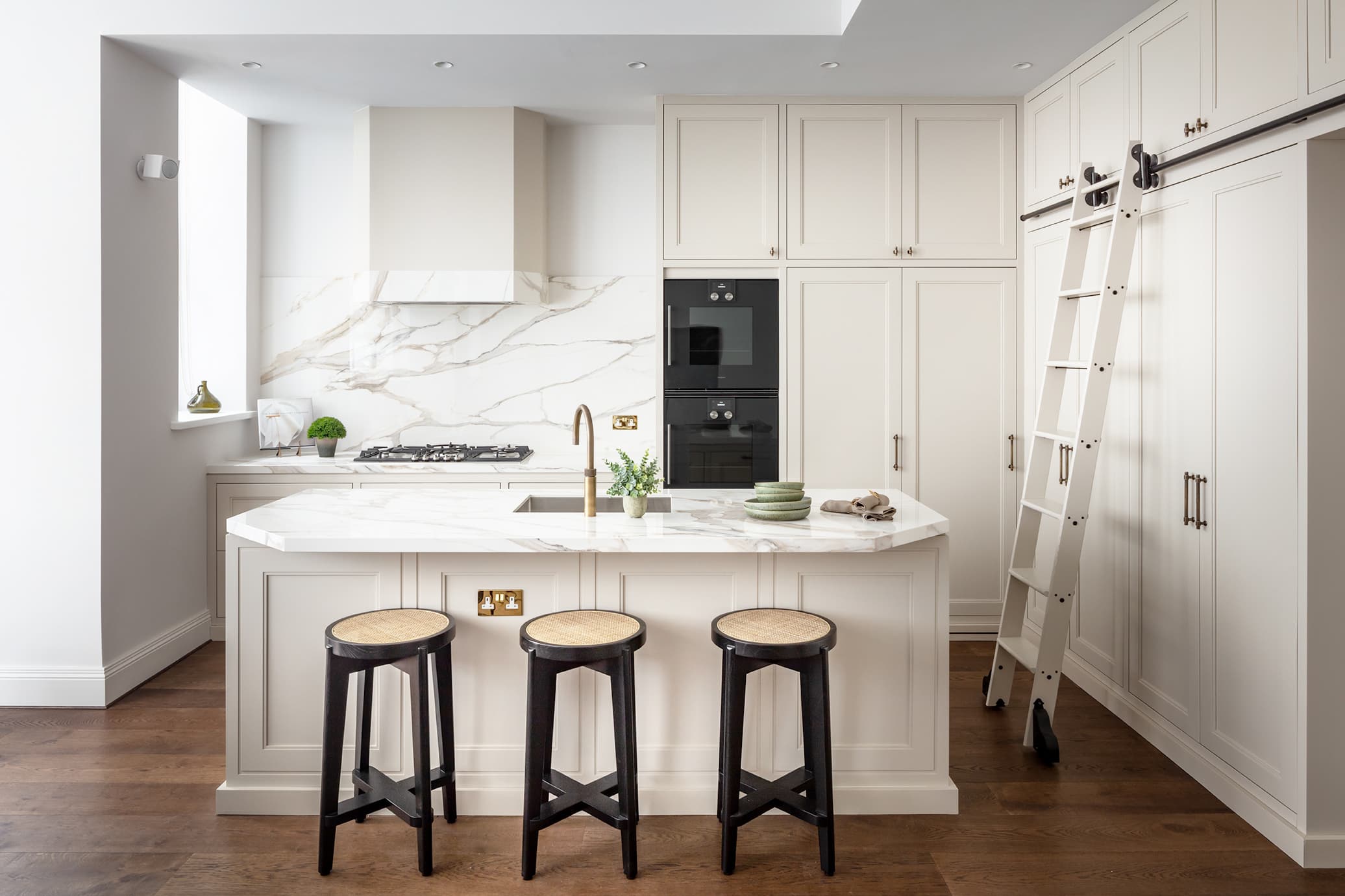
Bespoke Kitchen Cabinets: The Definitive Guide to Handmade Cabinetry
Everything you need to know about bespoke kitchen cabinets — from construction methods and timber selection to door styles, finishes, and the details that distinguish genuine craftsmanship from the merely expensive.
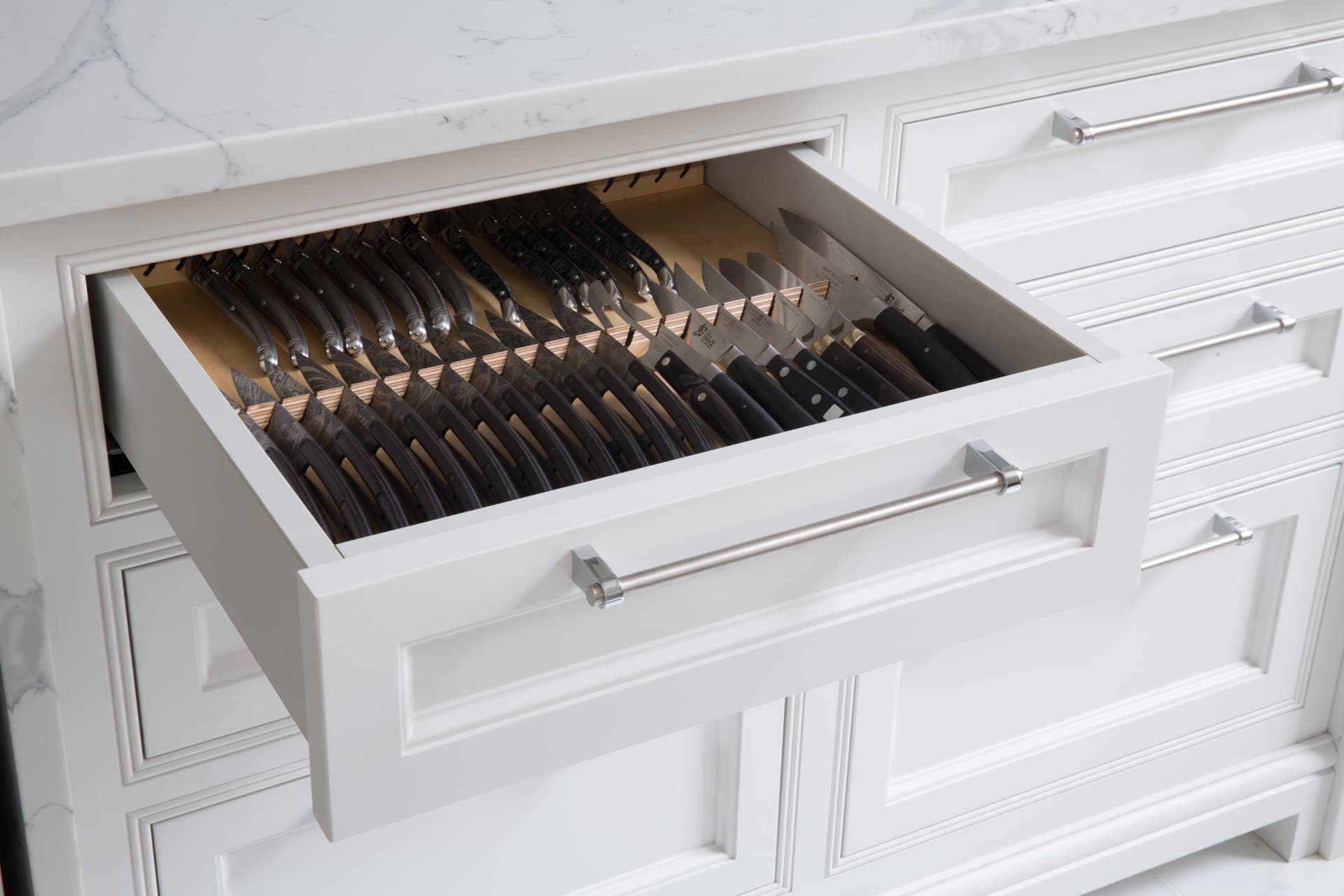
Bespoke Kitchen Joinery: The Craft Behind Cabinets That Last Generations
A detailed guide to the joinery techniques used in bespoke kitchen craftsmanship — from dovetail drawers and mortise-and-tenon frames to tongue and groove panels. Learn how to recognise quality joinery and why it determines how long your kitchen will last.
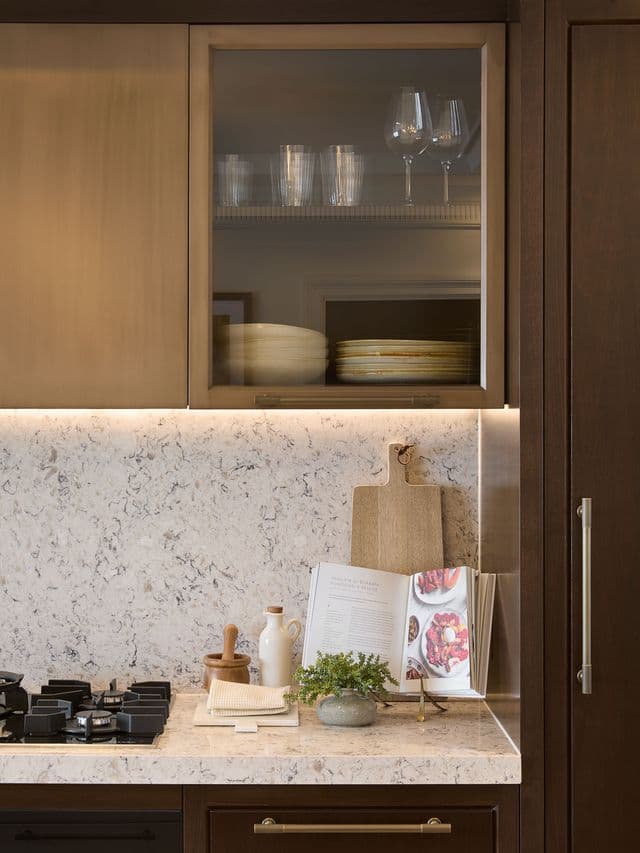
The Bespoke Kitchen Design Process: From Brief to Blueprint
How does a bespoke kitchen get designed? We walk through every stage of the design process — from developing the brief and spatial analysis to 3D visualisation, technical drawings, material specification, and sign-off.