

Bespoke Kitchen Cost £100,000+: Where the Money Goes
A transparent breakdown of what a £100,000+ bespoke kitchen commission actually costs — cabinetry, stone, appliances, fitting and project management explained.
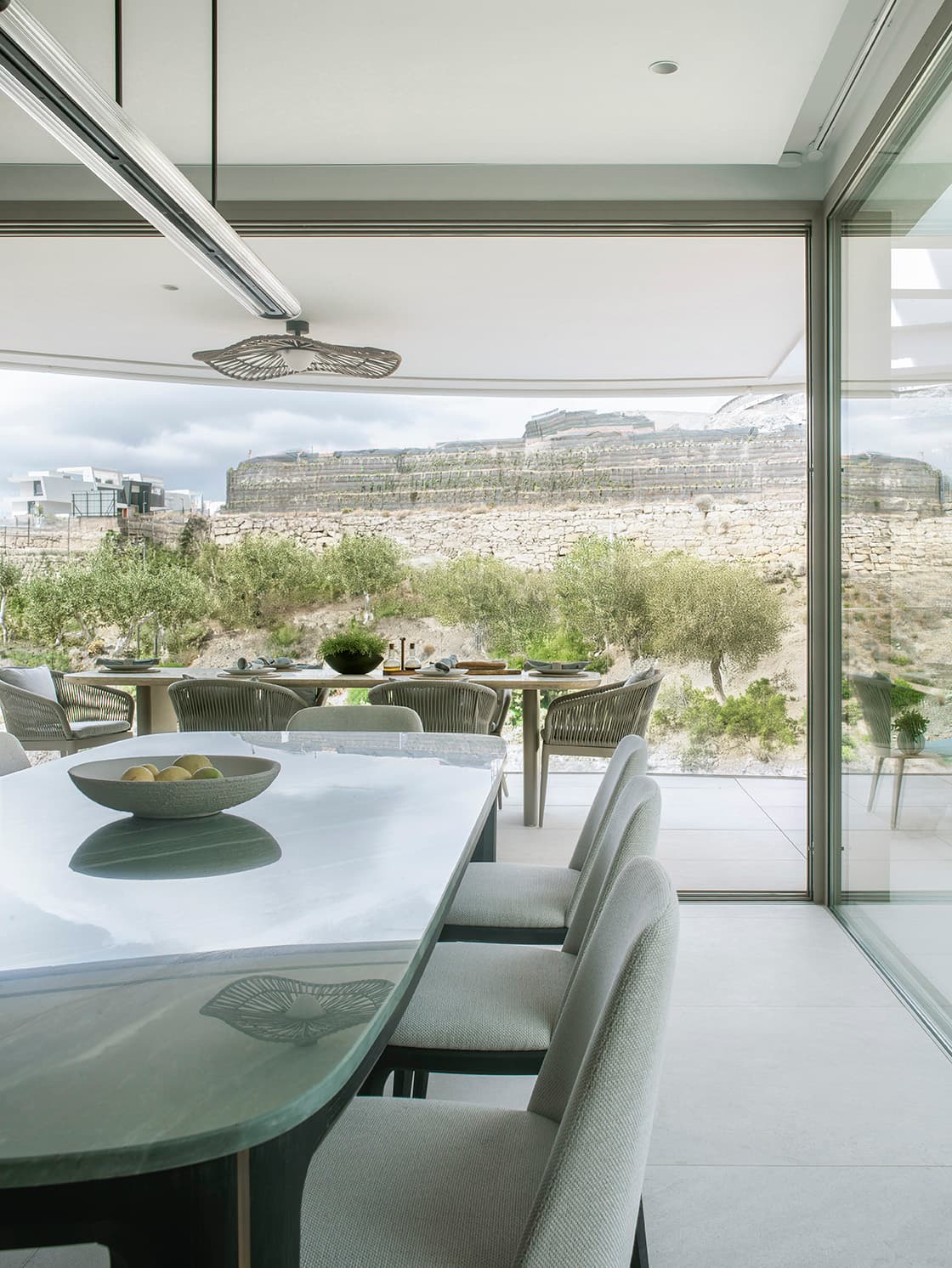
Why price transparency matters — and why most makers avoid it
We've never quite understood the industry's reluctance to talk about money. A client who's seriously considering spending £100,000 or more on a kitchen isn't going to be frightened off by plain numbers — quite the opposite. Vagueness is what erodes trust. If we won't tell you where your budget goes, why would you believe anything else we say?
So here is the honest version. This is how a commission in the £100,000–£200,000 range typically breaks down when it leaves our Essex workshop and is installed in a client's home. The proportions shift project to project, but the categories are consistent. If you're in the early stages of planning and trying to understand what you're actually buying, this is the piece we'd want you to read.
We should be clear about one thing at the outset: we don't take on projects below £50,000, and the anatomy of a £50,000 kitchen is genuinely different from the one described here. Our work in the £100k-plus tier involves a different depth of specification, longer lead times and a more intensive relationship between our design team and the client. That's what this breakdown reflects.
Cabinetry and joinery: the labour-intensive core
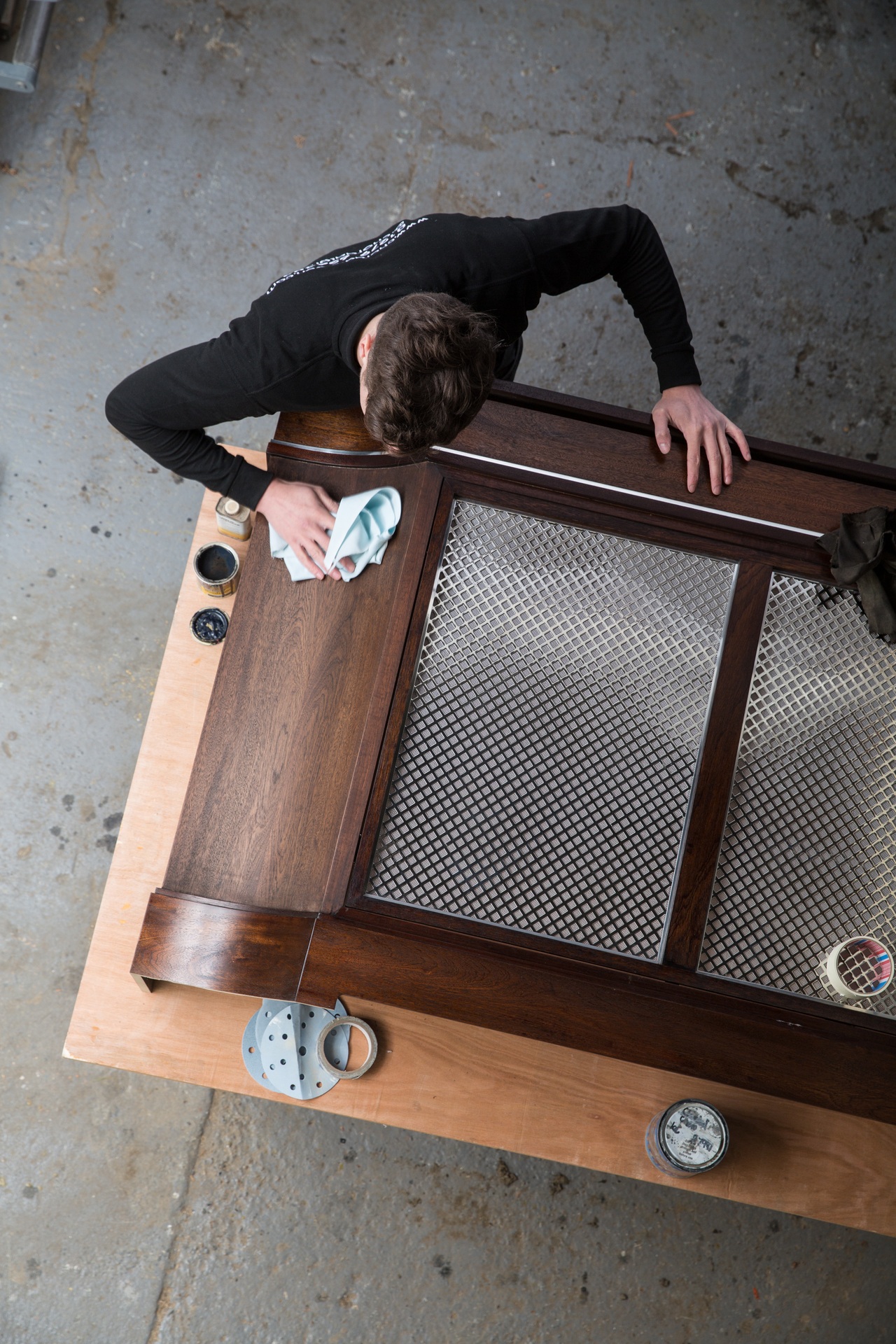
In a well-specified £100,000 commission, roughly 35–45% of the total budget is absorbed by cabinetry and joinery. That's somewhere between £35,000 and £45,000 in labour, materials and finishing before a single appliance or tap is purchased. For clients who've previously bought from a mid-market retailer, this figure tends to prompt the most questions — and it deserves a careful answer.
The carcasses in our kitchens are built from 18mm or 22mm hardwood-veneered plywood rather than the MDF and particleboard that mass-market units rely on. The difference isn't cosmetic. Plywood holds screws better, moves less with humidity changes, and will still be structurally sound in thirty years. A kitchen fitted in a house with underfloor heating and imperfect ventilation — which describes most of our projects — will test carcass materials over time.
Door profiles and drawer fronts are where the real craft time concentrates. A run of shaker-style doors with a traditionally routed profile and hand-fitted inset hinges takes considerably longer to make and hang than a slab door on a standard European hinge. Island carcasses with integrated seating overhangs, corner solutions with properly engineered carousel mechanisms, tall larder units with internal drawer stacks — each one is drawn in detail, made to those drawings, and adjusted on site. That adjustment time is also included in this figure.
Painted finishes add further labour. We apply primer, a mid-coat and two full topcoats, with sanding between every stage. For a large kitchen — thirty-plus door and drawer fronts — that process alone can account for a week of finishing time in the workshop.
Stone, surface and hardware: specifying for the long term
Surface specification typically accounts for 15–20% of the total, though this varies more than any other category. A client who wants bookmatched Calacatta marble across a 4-metre island will spend considerably more in this line than one who chooses a honed quartzite or a quality engineered stone. Our role isn't to steer people toward cheaper surfaces — it's to make sure they understand the maintenance commitment of each material before they commit to it.
Stone templating, fabrication and installation is nearly always carried out by a specialist we've worked with for years rather than handled in-house. Their work, the slab selection, transport and installation, sits within the surface budget. We accompany clients to the slab yard when the project warrants it. For bookmatched work in particular, the selection visit is not optional — you cannot choose bookmatched stone from a sample tile.
Hardware is the category most clients underestimate. Unlacquered brass, solid bronze, or quality stainless ironmongery from European manufacturers costs significantly more than the equivalent in chrome-plated zinc. On a kitchen with forty-plus doors and drawers, the difference between mid-market and properly specified hardware runs to several thousand pounds. We don't apologise for specifying well here. Handles and hinges are touched every day; they are not a place to recover budget.
Appliance integration and the hidden fitting costs
Appliances themselves — typically 20–25% of the total on a well-specified commission — are often the line clients arrive with already decided. A Gaggenau or Miele column fridge-freezer, a range cooker or a pair of ovens, an integrated dishwasher or two, a warming drawer, a dedicated wine cabinet. The list assembles quickly, and before you've specified extraction and a boiling water tap, you've spent £20,000–£30,000 on appliances alone.
What clients less often anticipate is the fitting infrastructure those appliances require. A Bora or Siemens flush induction hob with integrated extraction needs a specific cutout, dedicated power, and ductwork that may need to run thirty feet to an external wall. A coffee machine plumbed directly to the mains needs both a water feed and a waste run. Column appliances need level, plumb-true carcasses built precisely to their dimensions — because unlike a standard slot-in appliance, there's no wiggle room in a fully integrated column install.
This is where a first-fix electrical and plumbing specification, drawn up before any cabinetry is ordered, pays for itself. We produce this in collaboration with the client's building contractor early in the design process. Alterations to electrical or plumbing positions after cabinetry is installed are expensive and sometimes destructive. Getting it right before the floor goes down costs far less than correcting it after.
Project management, site visits and the workshop's role
A category that rarely appears as a line item in a quotation — but always should — is project management. On a commission of this scale, we typically conduct four to six site visits: a measured survey, a first-fix check, a pre-installation inspection, the installation itself spread over several days, a snagging visit and a follow-up at three months. Each visit is carried out by someone senior, usually one of the partners who designed the kitchen.
We've been doing this from our Essex workshop since 2007. One of the things that comes with that kind of continuity is an honest understanding of what can go wrong on a building site and what it takes to put it right. New builds settle. Renovations reveal structural surprises. Tiling contractors and kitchen installers have to sequence correctly or both suffer. We manage that coordination not because it adds billable hours but because the installation experience is part of what we're responsible for.
Project management, design time, technical drawings, site visits and workshop logistics typically account for 10–15% of the total. It's not a glamorous line item. But a project delivered on time, correctly sequenced, with no remedial work and a client who doesn't have to act as a go-between for six different trades is worth considerably more than the percentage suggests. You can read more about who we are and how we work if this part of the process matters to you — and on projects of this size, it should.
What separates a £100k commission from a £200k one
The honest answer is: mostly scale and surface specification, occasionally complexity.
A £200,000 kitchen is not twice as well made as a £100,000 one. The joinery standards, the finishing process, the hardware specification — these don't double in quality as the budget doubles. What changes is the canvas. A whole-floor open-plan kitchen, dining and living space in a substantial house requires more cabinetry, more surface area, more appliances, more electrical and plumbing infrastructure, and more installation time. The stone alone on a project of that size — if the client has chosen a premium natural material — can reach £40,000–£60,000 before fabrication.
Complexity can also drive cost independently of scale. A kitchen with significant structural alterations, a large rooflight requiring steel work, bespoke joinery that extends beyond the kitchen into a pantry, utility room and boot room — these add cost that doesn't show up in the kitchen footprint but is genuinely part of the commission. We try to be clear about where the kitchen ends and the wider project begins, but in practice the boundary is often blurred and it's better to budget for the whole scope from the outset.
Browse our portfolio to see the range of scales we work at. The projects there give a better sense of what different scopes look like in practice than any written description.
How to budget a whole-floor kitchen renovation honestly
If you're planning a kitchen as part of a larger ground-floor renovation, the kitchen budget is only one component of a larger spend. Structural work, new flooring, replastering, electrical rewiring, underfloor heating, new glazing or rooflight installations — all of these interact with the kitchen project and all of them need to be resolved before cabinetry goes in.
A rough framework for a whole-floor renovation in a substantial property might look like this. The kitchen itself — cabinetry, surfaces, appliances, fitting — sits at £100,000–£150,000. The building works required to create the space and prepare it correctly (structural, electrical, plumbing, flooring) might add a further £60,000–£120,000 depending on the scope. Decoration, lighting design and furniture bring the total for a well-resolved space to somewhere between £200,000 and £350,000. These are not precise figures. They're an honest orientation for a client who is beginning to budget and wants to understand where the spend concentrates.
What we consistently find is that clients who are disappointed with the outcome of a large kitchen project were not let down by the kitchen itself but by insufficient budget elsewhere — a floor laid too quickly, electrical positions that compromised the design, extraction that was under-specified because it came in late and over budget. The kitchen cannot compensate for a poorly prepared site.
If you're at the early stages of scoping a project like this, a conversation with our studio is the right starting point. We don't pitch in that first meeting. We listen, ask questions and give you an honest assessment of what your project is likely to require. That's how we've worked since we started, and it's not something we plan to change.
Frequently Asked Questions
Thinking about a new kitchen?
Book Your Free ConsultationYou might also enjoy
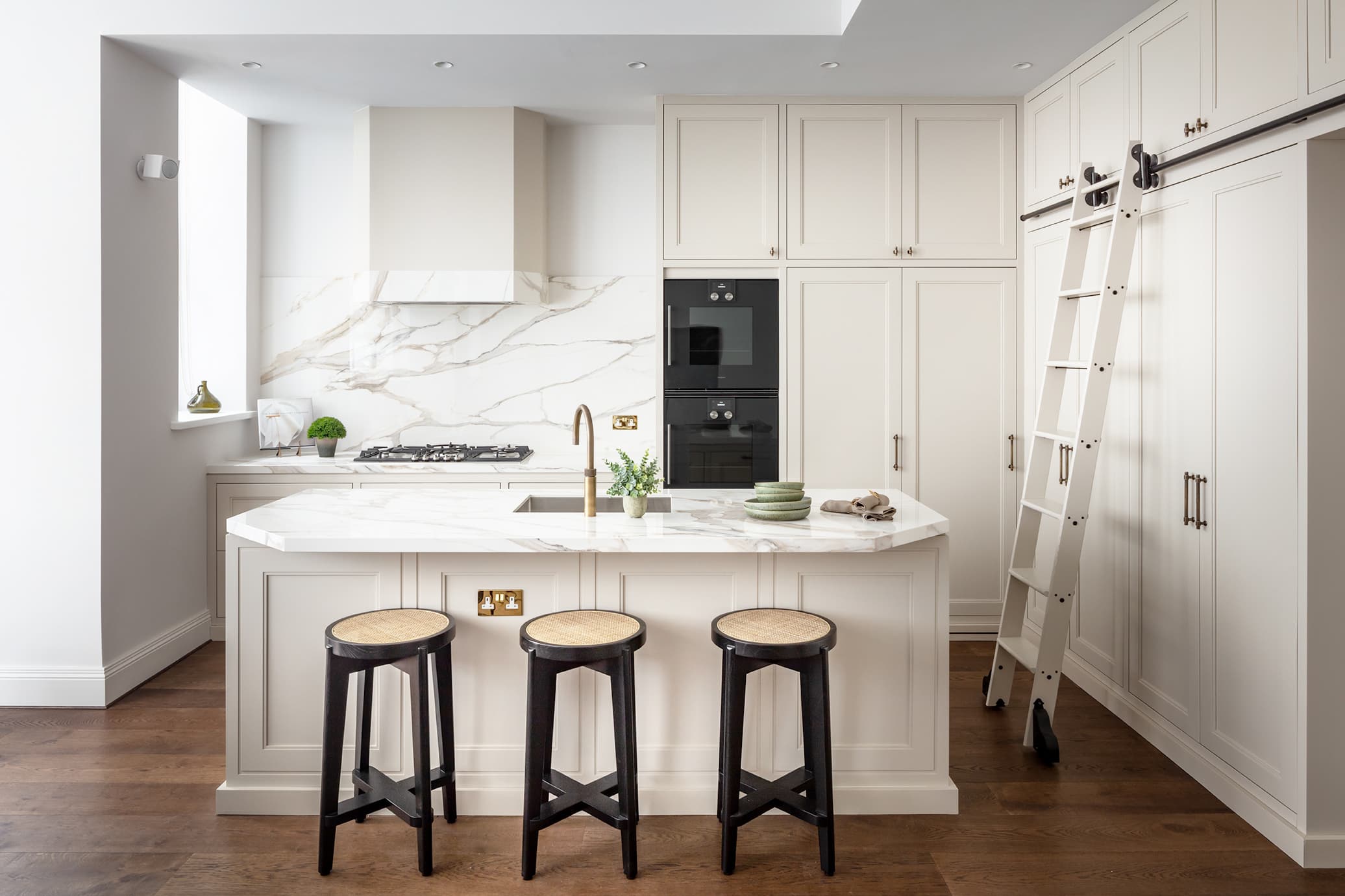
Bespoke Kitchen Cabinets: The Definitive Guide to Handmade Cabinetry
Everything you need to know about bespoke kitchen cabinets — from construction methods and timber selection to door styles, finishes, and the details that distinguish genuine craftsmanship from the merely expensive.
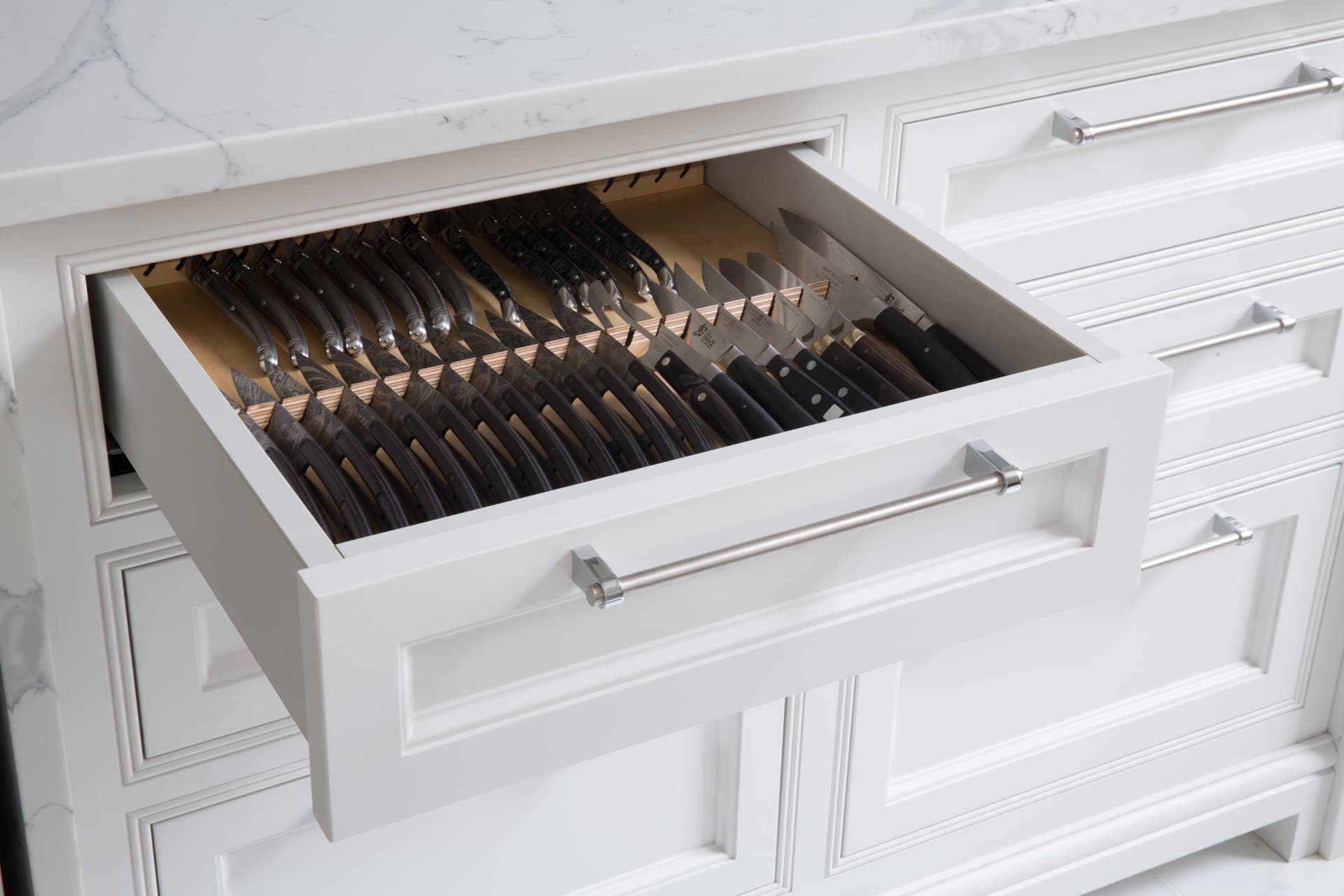
Bespoke Kitchen Joinery: The Craft Behind Cabinets That Last Generations
A detailed guide to the joinery techniques used in bespoke kitchen craftsmanship — from dovetail drawers and mortise-and-tenon frames to tongue and groove panels. Learn how to recognise quality joinery and why it determines how long your kitchen will last.
The Bespoke Kitchen Design Process: From Brief to Blueprint
How does a bespoke kitchen get designed? We walk through every stage of the design process — from developing the brief and spatial analysis to 3D visualisation, technical drawings, material specification, and sign-off.